

Madhya Pradesh High Court Expresses Concern About Choices Youngsters Are Making While Granting Police Protection To 20-Year-Old Live-In Couple
The Court said that though many rights have been conferred by the Constitution, it is not necessary to seek enforcement of all of them.
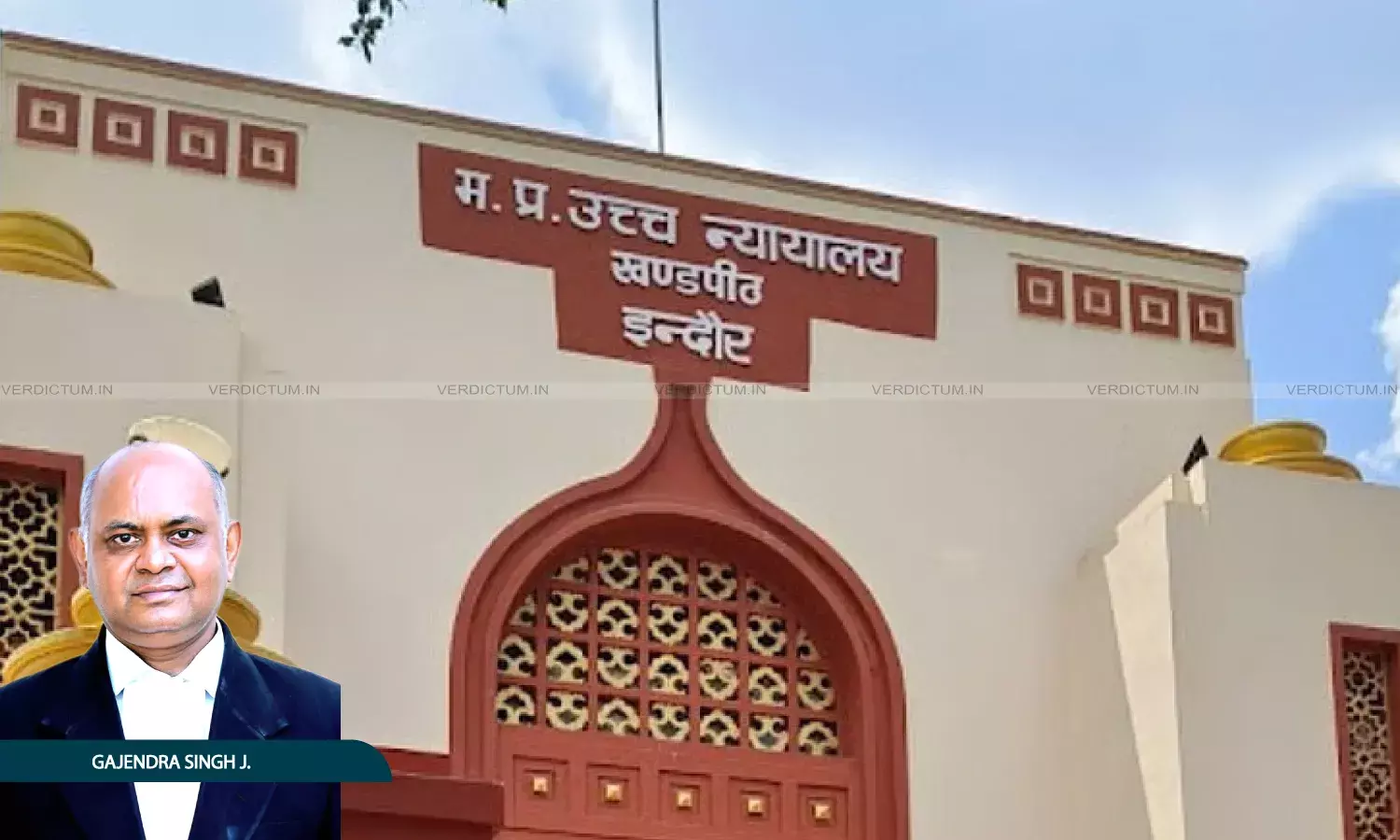
The Madhya Pradesh High Court granted police protection to a young live-in couple, both aged 20 years, emphasizing that the Constitution guarantees individual liberties, including the right of adults to decide where and with whom they wish to live. However, it cautioned that the existence of such rights does not mean they must be exercised in every situation without regard to practical and social consequences.
The petitioners, a man and a woman, both aged 20, approached the Court seeking protection as they were living together against the wishes of the woman’s parents, who they feared might harm them.
A Bench of Justice Gajendra Singh said, "India is not a country where the State provides any allowance to the unemployed and the uneducated ones, thus, if you are not dependent on your parents, you have to earn your own and your partner's livelihood and this would naturally obviate possibility of going to a school or a college, and if you get into this struggle of life at an early age by choice, not only your chances of enjoying the other opportunities of life are drastically affected but your acceptance in the society is also reduced, and it is far more difficult for a girl who can also become pregnant at an early age, leading to further complications in her life".
"...this Court must record its concern on the choices, the youngsters are making these days. Although there is much to ponder over this subject but it must be remembered that even though certain rights have been conferred by the Constitution, it is not necessary to enjoy, and enforce them as well", the Court observed.
Advocate Prashant Sharma appeared for the Petitioners, and Advocate Vinod Thakur appeared for the State.
On behalf of the State, it was argued that since the male partner was only 20 years old and below the legal age of marriage, he lacked the capacity to marry, and therefore no protection should be granted. The State further contended that extending police protection in such cases would be against societal interests and could encourage what it termed “promiscuous” behavior.
The High Court reiterated that a 20-year-old individual is legally an adult and is entitled to make personal life choices, including the decision to live with a partner of their choice. The Court affirmed that such a decision must be protected from interference, threats, or violence by external parties, including family members.
At the same time, the bench expressed serious concerns about the broader implications of such choices when made at a very young age.
The Court observed that entering this struggle at an early age, even by choice, can significantly limit social acceptance and overall life opportunities. It particularly highlighted the challenges faced by young women, noting that early pregnancy could lead to health complications and further disrupt education, career prospects, and personal development.
The Court stated that while constitutional freedoms exist, exercising them without due caution and maturity may have long-term adverse consequences. The bench stressed that “it is one thing to have rights and another to enforce them.”
"Thus, discretion is advised while opting for such choices and enforcing such rights, as it is one thing to have the rights and another to enforce them", the Court held.
The High Court allowed the petition and directed the authorities to provide necessary protection to the couple to ensure their safety. However, it also instructed, “Counsel for the petitioner is also directed to apprise the petitioners about the concerns expressed by this court.”
Cause Title: X & Ors. v. The State of Madhya Pradesh & Ors., [2025:MPHC-IND:37811]
