

Protective Or Preservatory Interim Orders Can't Be Passed Pending Disposal Of Leave Application: Supreme Court Clarifies Civil Court's Jurisdiction U/S 92 CPC
The Court held that grant of leave is a mandatory threshold requirement for suits against public charities, and that no receiver can be appointed or interim relief granted until leave is granted; save where facts disclose compelling urgency.

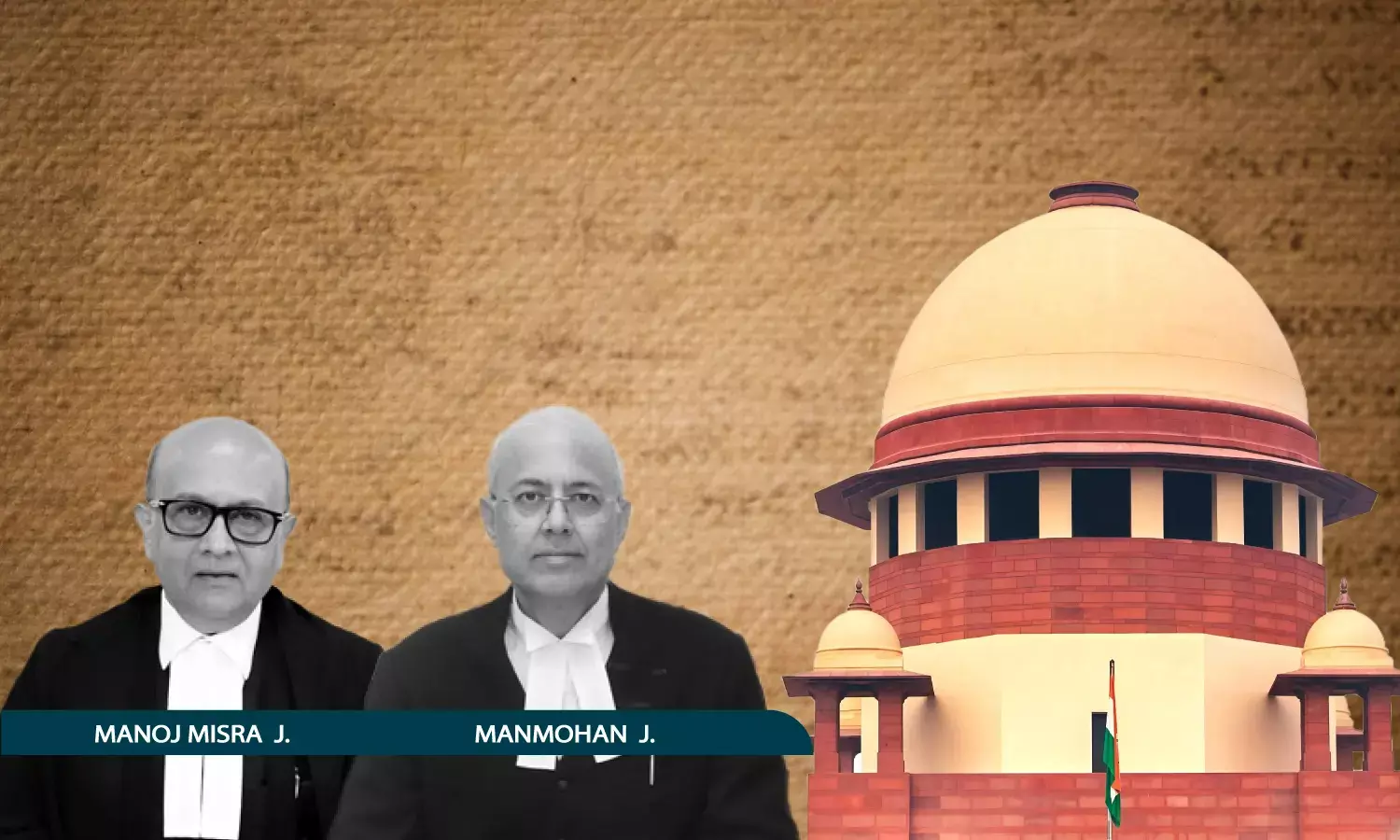
The Supreme Court has held that a Civil Court seized of a plaint under Section 92 of the Code of Civil Procedure, 1908, together with an application seeking leave to institute the suit, lacks the power to pass protective or preservatory interim orders during the pendency of the leave application. Until leave is granted, the Court held, there exists no validly instituted suit and consequently no jurisdiction to entertain interlocutory applications, including one for appointment of a receiver.
The Court, however, carved out a narrow exception: where facts disclose compelling urgency necessitating interim measures to safeguard the property of public charities, issuance of notice prior to grant of leave is not indispensable, though courts must exercise utmost care and circumspection in granting leave ex parte. This approach, the Bench held, harmonises the dual character of Section 92 as both a "protective shield" against vexatious litigation and a "remedial sword" against mismanagement of public trusts.
A Bench comprising Justice Manoj Misra and Justice Manmohan observed, “…this Court holds that a Civil Court, seized of a plaint under Section 92 of the Code together with an seeking leave to institute the suit, is not empowered to pass protective or preservatory interim orders pending disposal of the leave application. However, for compelling reasons to be recorded in writing like where facts disclose the necessity of urgent relief, notice prior to the grant of leave may be dispensed with”.
Senior Advocate Dr. Aditya Sondhi appeared for the appellants and Senior Advocate Raghavendra S. Srivatsa appeared for the respondent.
The dispute arose from proceedings concerning the People's Education Trust, where the appellants, having filed an application seeking leave under Section 92, also sought appointment of an ad hoc committee to manage the Trust's affairs pending grant of leave. The Principal District and Sessions Judge, allowed the application under Order XL Rule 1(a) of the CPC, constituting an ad hoc committee comprising the existing trustees.
The Karnataka High Court, by its judgment dated June 25, 2025, set aside this order, reaffirming its earlier view that a suit under Section 92 remains "stillborn" absent leave, and that the court is denuded of jurisdiction to pass interlocutory orders during that interregnum. This view diverged from that of the Allahabad, Bombay, Kerala and Madras High Courts, which had recognised a protective jurisdiction pending leave, while aligning with the Orissa High Court's contrary position. The appellants challenged the Karnataka High Court's order before the Supreme Court.
Examining the scheme of Section 92, the Court held that the requirement of leave was shifted from executive scrutiny by the Advocate-General to judicial scrutiny by the 1976 Amendment, making the obtaining of leave a mandatory pre-condition to institution of the suit.
The Court rejected the argument that Section 94 read with Order XL Rule 1, or the inherent power under Section 151, could be invoked to appoint a receiver before leave was granted, holding that supplemental proceedings and inherent powers presuppose the existence of an underlying validly instituted proceeding, and cannot be used to bypass the statutory "gatekeeper" role of the leave requirement. The Court also held that Section 141 could not override the substantive safeguards embedded in Section 92, and that the appointment of a receiver over a public trust was intrusive rather than merely preservatory in character.
“…this Court is mindful that circumstances may arise necessitating urgent interim measures, including ex parte temporary injunctions, in suits instituted under Section 92 of the Code, to safeguard the property of public charities. While the statutory framework affords a ‘protective shield’ to such institutions, it is the considered view of this Court that, where facts disclose compelling urgency, issuance of notice prior to grant of leave is not indispensable. Nonetheless, Courts must exercise utmost care, caution and circumspection in granting leave ex parte…”, the Bench said.
“Such an approach harmonises the dual objectives of Section 92, namely, the ‘protective shield’ and the ‘remedial sword’. The Court, at that stage, must record prima facie cogent reasons for granting leave, while retaining the power to pass interim orders beyond the mere appointment of a receiver. In this manner, the competing interests are balanced and the public charity is afforded liberty to seek recall of the order granting leave”, it noted further.
Applying these findings, the Court held that the Trial Court lacked jurisdiction to constitute the ad hoc committee, and dismissed the appeals, affirming the High Court's order with the clarification regarding urgent relief.
Cause Title: S. Panchalingu & Ors. v. People's Education Trust (R) & Others Etc. (Neutral Citation: 2026 INSC 1010)
Appearances:
Appellants: Dr. Aditya Sondhi, Senior Advocate.
Respondents: Raghavendra S. Srivatsa, Senior Advocate, and Amit Pai, Advocate.