De-Panelment Of Advocate Is Not Defamation; Resulting Financial Loss Is Not Compensable Under Defamation Law: Patna High Court
The Court held that any separate defamatory imputation must be specifically pleaded and shown to have been published to a third person; the consequences of losing a panel engagement do not by themselves create a defamation claim.
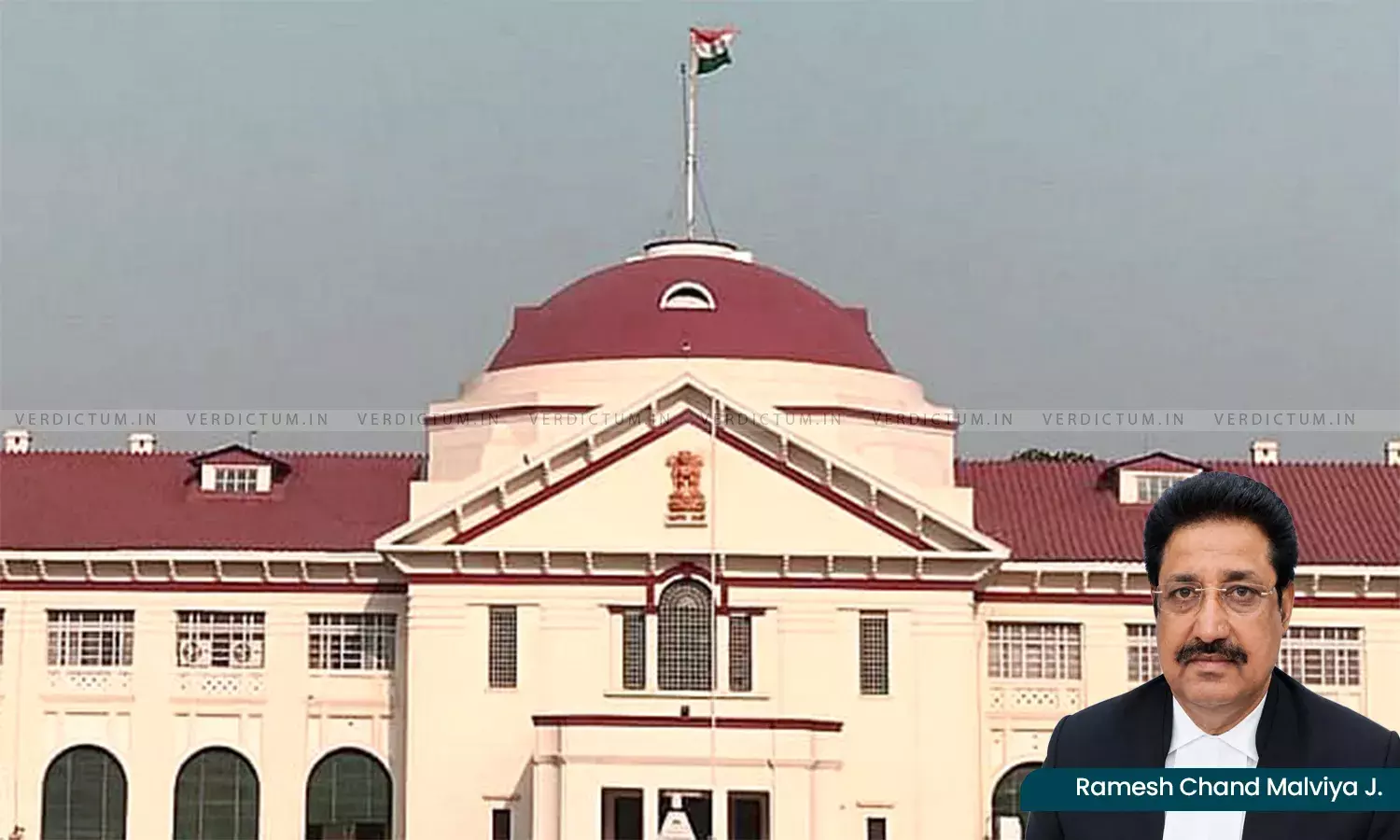
The Patna High Court has held that de-panelment of an advocate is not defamation, as it merely discontinues a professional engagement without making any imputation about the advocate. It further held that the resulting loss of engagement and financial loss are not compensable under defamation law.
The Court was hearing a civil revision under Section 115 of the CPC against the Trial Court's refusal to reject the plaint alleging reputational and financial harm from de-panelment.
A Bench of Justice Ramesh Chand Malviya observed: “First, de-panelment is not defamation. It is a decision to discontinue a professional engagement. It says nothing about the plaintiff and carries no imputation within Section 499 of the IPC. The Bank may decide to discontinue an advocate, and Sections 29 and 30 of the Advocates Act, which secure the plaintiff’s right to appear when engaged, do not secure his engagement. Loss of the panel engagement and the resulting financial loss flow from the removal itself, and the law of defamation does not compensate for that.”
Senior Advocate Chitranjan Sinha appeared for the Bank officers; Advocate Pankaj Kumar Sinha appeared for the advocate.
Background
The plaintiff had served as an SBI panel advocate for about 35 years. He alleged that another panel advocate disputed his title report and that the Bank consequently removed him, damaging his reputation and causing financial loss.
The Bank officers denied having de-panelled him and sought rejection of the damages plaint for disclosing no defamation or cause of action against them.
The Trial Court rejected the application because the officers had not identified a law barring the suit and treated their objections as curable procedural irregularities.
The officers argued that de-panelment was not defamation and relied on a client's freedom to change counsel. The advocate invoked a Bank letter allegedly describing him as a fraud and opposed the rejection application as belated.
Court's Observations
Trial Court Failed To Examine Whether The Plaint Disclosed A Cause Of Action
The Court said only the plaint and its accompanying documents could be considered under Order VII Rule 11 of the CPC. The Trial Court had examined whether the suit was barred by law but not whether the plaint disclosed a cause of action.
The Court observed: “Order VII Rule 11 of the CPC is couched in mandatory terms: the plaint “shall be rejected” where any of the stated conditions is fulfilled. The Court is to read the plaint meaningfully and not formally.”
It treated that omission as a failure to exercise jurisdiction and decided the pure question of law itself instead of remanding the suit.
Defamation Requires An Imputation Published To A Third Person
Referring to Mohammed Abdulla Khan v. Prakash K. (2018), the Court said defamation required a harmful imputation and its making or publication. Publication meant communication to someone other than the person concerned.
The Court stated: “The essence of publication is the communication of the defamatory imputation to persons other than the person against whom it is made (para 11). Whoever “either made or published” the imputation is the person answerable (para 16). Defamation is thus an act of the defendant, namely the making or publishing of an imputation. It is not any and every event that leaves the plaintiff’s standing diminished.”
It added that civil and criminal defamation both required publication to a third person; hurt feelings or financial consequences from a lawful act were insufficient.
Right To Practise Is Not A Right To Continued Engagement
The Court held that Sections 29 and 30 of the Advocates Act define who may practise law and where, but do not require a client to retain a particular advocate.
The Court observed: “Both provisions define who may practise and where. Neither creates a right to be engaged by a particular client, and neither places any litigant or institution under an obligation to brief, retain or continue to retain a particular advocate. The right to practise is a right to appear when engaged; it is not a right to be engaged.”
Relying on R.D. Saxena v. Balram Prasad Sharma (2000), it reiterated the client's freedom to change counsel. Ajay Vijh v. Indian Banks' Association (2026) treated the bank-advocate relationship as contractual and recognised its power to discontinue empanelment.
The Court distinguished removal from a panel from a separate public declaration concerning an advocate's competence or character: “A client, including a bank, who ends a professional engagement or removes an advocate from a panel exercises a legal right and, without more, makes no imputation and publishes nothing. If, in addition, a client separately makes and publishes a defamatory imputation about the advocate to third parties, liability, if any, arises from that separate act, which must itself be pleaded and proved, and not from the disengagement.”
Plaint Did Not Attribute A Defamatory Publication To The Bank Officers
The alleged statement was attributed to an unnamed newly appointed Bank lawyer, not a defendant. The assertion that he acted at the defendants' instance did not identify any instruction or officer.
The Court found that the plaint did not identify when, to whom, on what occasion or by what means the statement was published: “The expressions “in the court as well as in the Bar”, “spread like anything” and “murmuring everywhere” identify no person to whom anything was communicated. Publication to a person other than the plaintiff is an essential ingredient (Mohammed Abdulla Khan, supra, para 11), and it must be pleaded as a fact. A general averment of this kind is of the sort which the Bombay High Court noticed in Navin Parekh (supra, para 11) as having been added to sustain a complaint because publication was indispensable.”
The Bank letter invoked during arguments was not the plaint's pleaded basis for publication, and oral submissions or a rejoinder could not improve the cause of action.
The Court did not base its decision on the Exceptions to Section 499 IPC, clarifying: “Good faith is, however, a matter of evidence, and this Court does not decide on it. The plaint fails on the prior ground that it does not plead the ingredients of defamation.” It also expressed no opinion on the title deed, competing reports or pending criminal proceedings.
Conclusion
The High Court allowed the revision, set aside the Trial Court's order and rejected the defamation plaint under Order VII Rule 11(a) CPC for disclosing no cause of action against the Bank officers. The suit stood disposed of without costs.
Cause Title: Assistant General Manager, State Bank of India and Others v. Mantosh Prasad Sinha
Appearances
Petitioners: Chitranjan Sinha, Senior Advocate; Rakesh Kumar Singh, Advocate
Respondent: Pankaj Kumar Sinha, Advocate