Representation To CJI Seeks Discontinuance Of Colonial Regalia & Restoration Of 'Civilisational Self Respect' In Courts
An Advocate practising in the Supreme Court wrote to the Chief Justice of India, urging reconsideration of the continued use of colonial-era judicial wigs and scarlet ceremonial robes in constitutional courts, arguing that such practices are incompatible with the symbolism of a sovereign republic.
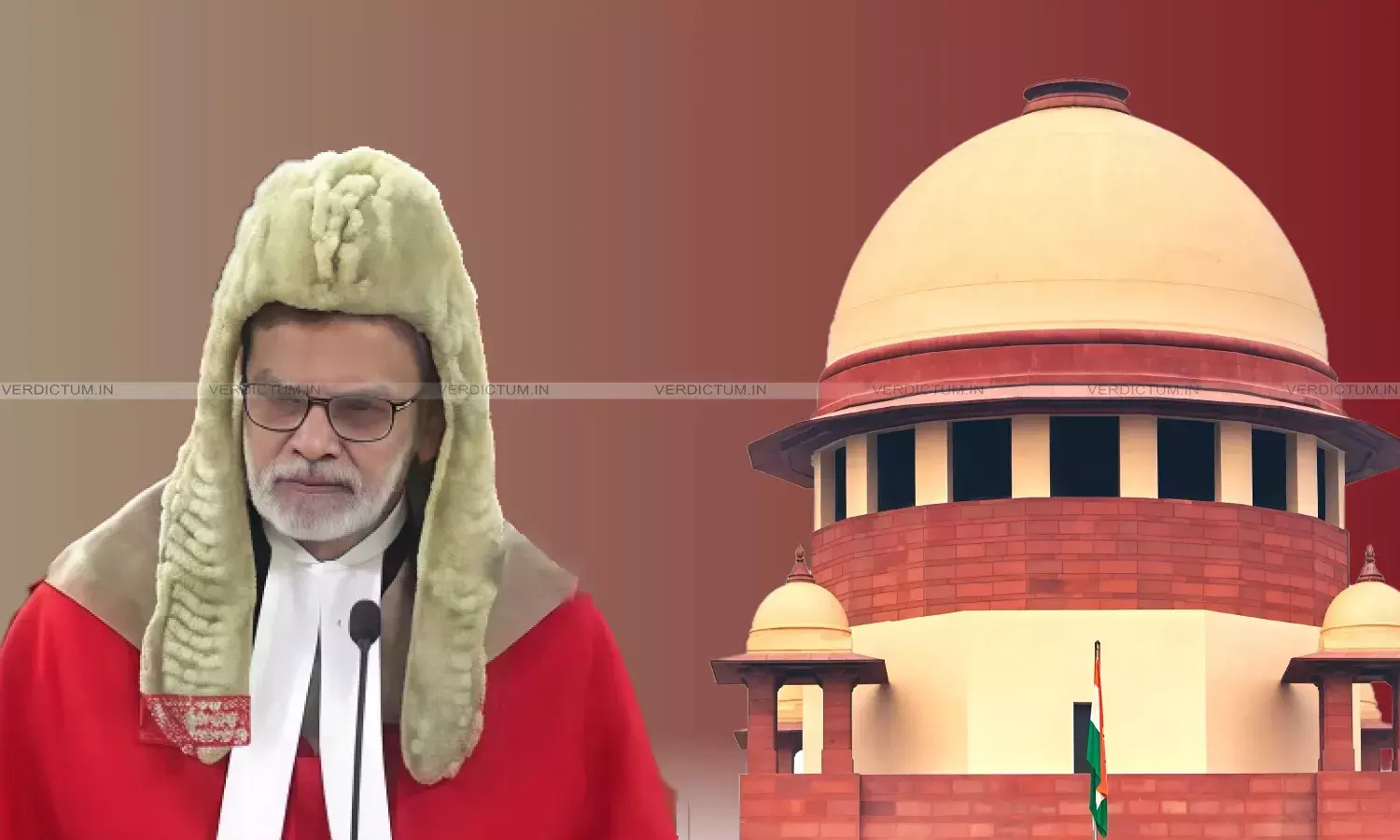
A representation has been addressed to the Chief Justice of India seeking the discontinuance of colonial-era judicial wigs and scarlet ceremonial robes in India’s constitutional courts and the adoption of Bharatiya ceremonial norms consistent with the dignity of a sovereign republic.
The representation also calls for an institutional reconsideration of colonial ceremonial practices that continue to survive in constitutional courts.
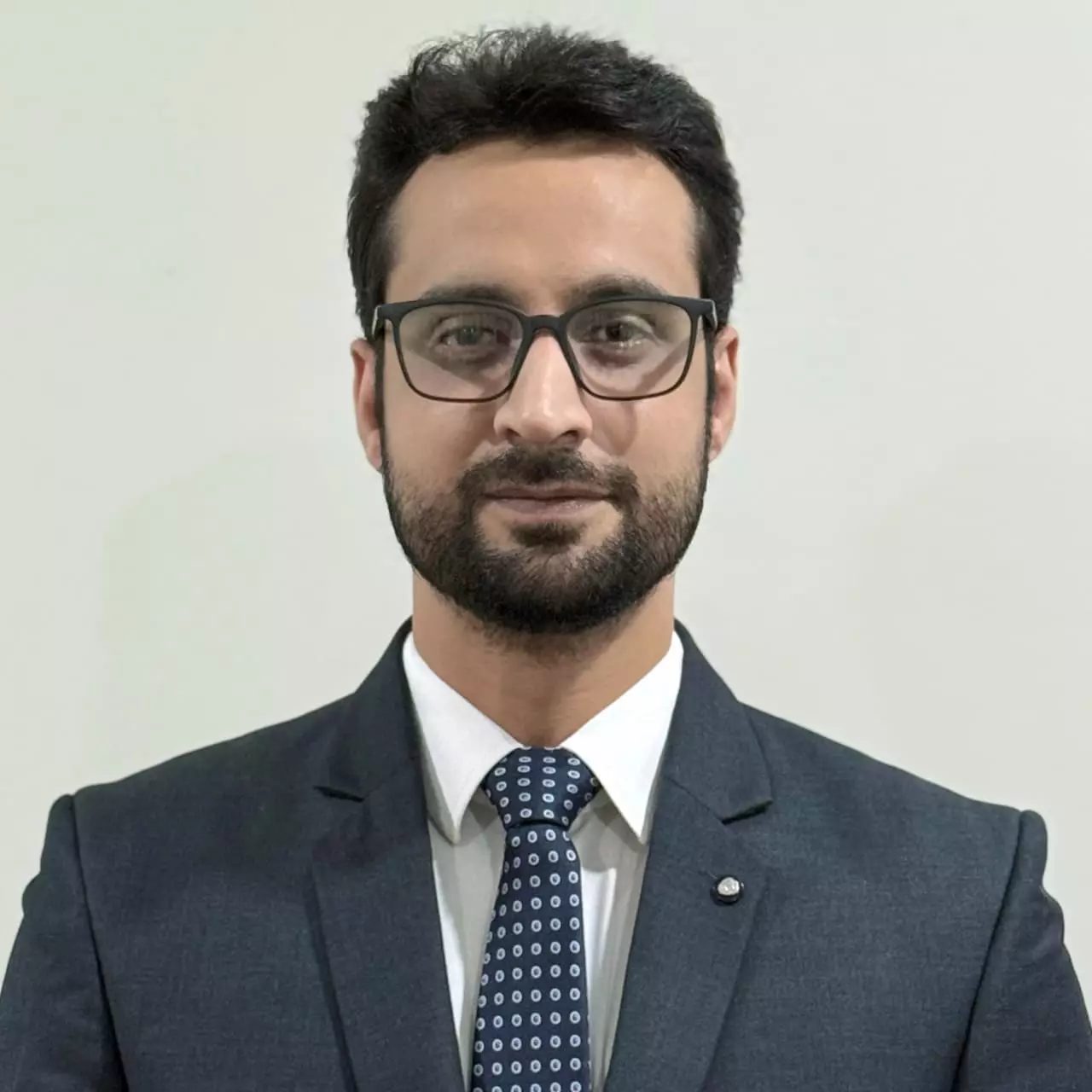
The representation has been submitted by Advocate Aditya Kashyap, who, in the document, noted that it has been widely reported that on ceremonial occasions, the Chief Justice of the High Court at Calcutta continues to wear the scarlet robe and white wig inherited from British judicial tradition, highlighting that recent reporting specifically referred to the continued use of this attire at ceremonial functions in January and March 2026.
In his representation, Advocate Kashyap emphasised that the request is made with utmost respect for the majesty of the Indian judiciary and the historic stature of the High Court at Calcutta, while clarifying that the submission is not a criticism of any individual, but rather “a respectful but firm appeal that visible remnants of colonial authority still surviving in our constitutional courts be reconsidered in light of India’s constitutional maturity, civilisational self-respect, and sovereign republican identity.”
Kashyap stated that the question raised was not one of dress alone but that of constitutional symbolism. He further wrote that courts in Bharat derive their authority from the Constitution, from the sovereignty of the people, and from the moral force of justice administered in their name, and that such authority “does not flow from the insignia of empire, nor from ceremonials shaped in a foreign monarchical order.”
Constitutional Context & Case For Institutional Decolonisation
Advocate Kashyap situated the issue within the constitutional journey of independent India. He noted in the representation that Bharat became free on 15 August 1947 and, with the coming into force of the Constitution on 26 January 1950, constituted itself as a Sovereign Democratic Republic. He further underscored that India has now completed more than seventy-eight years of Independence and more than seventy-six years as a constitutional republic.
In that context, it was argued that the continued use of colonial judicial regalia cannot be regarded as merely a harmless relic and that “it is an anachronism to We, the People of India.” He further observes that “a nation that has politically decolonised itself cannot remain indefinitely content with ceremonial colonialism in its highest institutions.”
In the representation, Kashyap specifically addressed the continued use of the white judicial wig, describing it as a symbol of British court culture rather than an Indian symbol of justice. He wrote that “the white judicial wig, in particular, is not an Indian symbol of justice,” but “a historical artefact of British court culture, associated with hierarchy, distance, and imperial continuity.”
According to Kashyap, the continued use of such attire in India, especially in a constitutional court, sends an unfortunate and avoidable signal, “that prestige still inheres in colonial inheritance”. The representation also noted that the symbolism becomes even more difficult to defend when “the originating legal culture itself has substantially narrowed the use of such attire.”
Advocate Kashyap also placed the issue within what he described as India’s broader effort toward civilisational and institutional decolonisation. In his representation, he referred to developments where institutions of the Republic have sought to restore indigenous symbols of authority.
Kashyap noted that official statements regarding the installation of the Sengol in the new Parliament House described it as “a sacred symbol of fair and equitable governance and as part of restoring the dignity of an indigenous emblem of public authority.” According to him, this reflected a larger national impulse that institutions of the Republic should increasingly speak through idioms drawn from India’s own civilisational consciousness rather than from the residue of colonial prestige. He added that “the judiciary, of all institutions, should not lag in this regard.”
Bharatiya Conception Of Justice & Appeal To Constitutional Leadership
The representation further invoked Indian philosophical traditions to argue that judicial legitimacy does not depend upon ceremonial attire. He suggested that “from a Bharatiya point of view, justice has never depended upon regalia,” and that in Indian traditions “legitimacy flows from dharma, from restraint, from wisdom, from fairness, and from duty.”
He further stated that “the ideal of nyaya is moral before it is ceremonial,” adding that “the court commands reverence because it embodies justice, not because it reflects the imagery of those who once ruled us.” Kashyap also remarks that colonial robes may be old, but they are not sacred, noting that antiquity alone does not confer legitimacy, and that the fact that a practice has endured does not mean that it deserves to endure.
Referring to the stature of the Calcutta High Court, Kashyap stressed that its prestige provides an opportunity to lead by example. He stated that the court’s stature will not diminish if colonial residue is shed and that its stature will deepen if it consciously aligns ceremonial form with the spirit of a free Constitution.
Advocate Kashyap also expressed hope that the Supreme Court, under the leadership of the Chief Justice of India, will guide institutional reform in this regard. In the representation, he observed that the Supreme Court has, time and again, led the nation not only in adjudication, but in setting the moral and institutional direction of constitutional life. He therefore expressed hope that the judiciary will continue to advance the unfinished work of decolonising our legal institutions, “retaining what is dignified, but shedding what is merely an imperial residue”.
Requests Made In The Representation
Advocate Kashyap urged that a considered institutional initiative be undertaken to discontinue colonial judicial regalia and evolve alternative ceremonial norms. In the representation, he stated that it is high time that a considered institutional decision be taken to discontinue colonial-era wigs and scarlet ceremonial robes in India’s constitutional courts.
It was further prayed that suitable guidance, advisory norms or a consultative process be initiated regarding the discontinuance of colonial-era wigs and comparable imperial regalia in ceremonial judicial functions. He also suggested that the Calcutta High Court may reconsider and discontinue the practice of the Chief Justice wearing the white judicial wig and scarlet colonial ceremonial robe on official occasions.
In addition, the representation proposed that a committee be appointed to study and recommend “dignified Bharatiya ceremonial norms, consistent with constitutional sobriety, judicial majesty, and civilisational rootedness,” to be evolved and adopted for constitutional courts across the country.
The representation concluded by stating that after more than seventy-eight years of independence and more than seventy-six years of republican constitutional journey, India “need not continue to borrow the ceremonial language of empire.” Instead, Advocate Kashyap urged that courts can remain “solemn without being colonial, dignified without being derivative, and majestic without being alien to the civilisation in whose name justice is delivered.”
A copy of the representation was also addressed to the President, the Prime Minister, the Minister of State for Law & Justice, and the Chief Justice of the High Court at Calcutta.