Bar Council Can Deny Enrolment As Advocate To Applicant “Entitled” To Practice Another Profession: Kerala High Court
The Court held that once a State Bar Council becomes aware that an applicant for enrolment continues to possess the right to practice another profession and remains registered in another professional roll, it is within the authority of the Bar Council to deny enrolment as an Advocate.

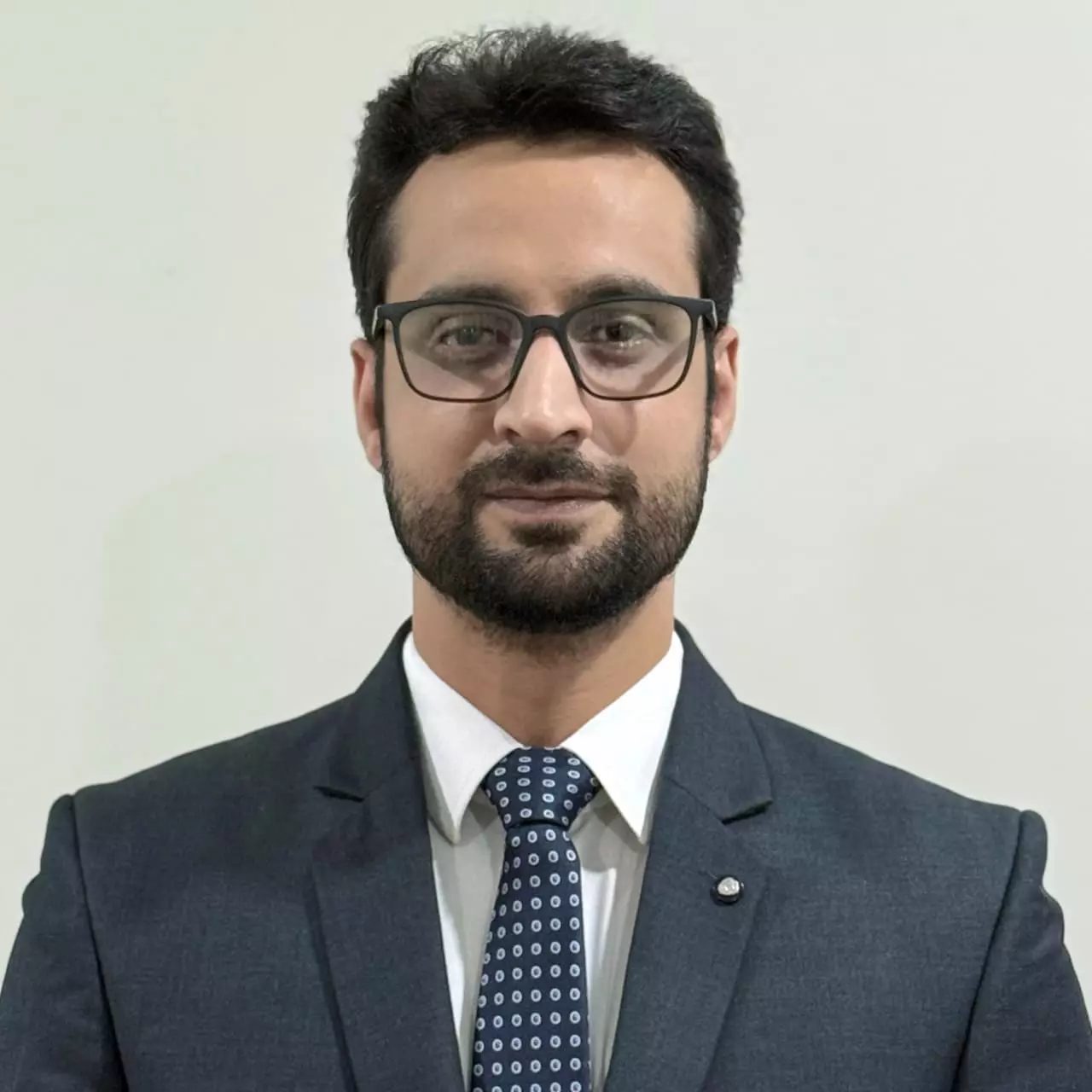
Justice Bechu Kurian Thomas, Kerala High Court
The Kerala High Court has held that a registered Homoeopathic medical practitioner can be denied enrolment as an Advocate unless the registration as a medical practitioner is cancelled, observing that a person entitled to practice another profession cannot simultaneously seek entry into the legal profession.
The Court further held that once the State Bar Council becomes aware that an applicant remains entitled to practice another profession and continues in the register of another profession, it is within the Bar Council’s authority to deny enrolment as an Advocate.
The Court was hearing a writ petition filed by a registered Homoeopathic practitioner who challenged the decision of the Bar Council of Kerala refusing to enrol her as an Advocate unless she produced a cancellation certificate showing removal of her registration as a Homoeopathic medical practitioner.
The petitioner contended that she had already cancelled the municipal licence for running her clinic, had completed her LL.B course, cleared the All India Bar Examination and had also undertaken not to practice medicine after enrolment as an Advocate.
A Bench of Justice Bechu Kurian Thomas, while interpreting the expression “engaged in any profession” mentioned in Bar Council of Kerala Rules, 1979, observed: “A person who has a right to involve himself or embark upon a particular profession, he has to be regarded as engaged in that profession. The right to practice a profession which entitles that person to earn a remuneration or profit, will regard him as engaged in that profession”.
The Court accordingly held: “If the Bar Council concerned has, from the materials made available, identified that an applicant for enrolment has a right to practice another profession and is listed in the register for another profession, it is certainly within its realm of authority to deny that candidate the permission to enrol as an Advocate.”
Senior Advocate O. V. Radhakrishnan appeared for the petitioner. Senior Advocate K. Jaju Babu appeared for the Bar Council of Kerala.
Background
The petitioner was a registered Homoeopathic medical practitioner who later pursued a three-year LL.B course and cleared the All India Bar Examination. She thereafter applied for enrolment as an Advocate before the Bar Council of Kerala.
During document verification, the Bar Council noticed that the petitioner had not uploaded any cancellation certificate showing removal of her registration as a Homoeopathic practitioner. The petitioner thereafter submitted an affidavit stating that she had cancelled the municipal licence for her clinic and had not practised medicine thereafter. She also furnished an undertaking that she would not engage in the medical profession simultaneously after enrolment as an Advocate.
However, the Bar Council declined to process her enrolment unless she cancelled her registration as a medical practitioner. The petitioner challenged this decision, contending that the restrictions relied upon by the Bar Council would apply only after enrolment as an Advocate and not at the pre-enrolment stage.
The Bar Council contended that the petitioner continued to remain in the register of medical practitioners under the Kerala State Medical Practitioners Act, 2021 and therefore retained the legal right to practice medicine. It argued that a person already engaged in another profession could not be admitted as an Advocate under the Bar Council of Kerala Rules.
Court’s Observation
The High Court examined Section 24 of the Advocates Act, 1961, along with Rule 2(h) of Chapter V of the Bar Council of Kerala Rules, 1979, which requires every applicant for enrolment to declare that he or she is not engaged in any trade, business or profession except part-time teaching in law.
The Court interpreted the expression “engaged in any profession” to include a person who retains the right or entitlement to practice another profession.
The Court further observed: “The contention of the learned Senior Counsel for the petitioner that the above rules framed by the Bar Council of Kerala would apply only after the petitioner enrols as an Advocate, though impressive on first blush, on a deeper scrutiny it is evident that once the State Bar Council becomes aware about the petitioner’s entitlement to practice another profession, they are at liberty, under law, to deny petitioner the right to enrol as an Advocate.”
The Court noted that the petitioner’s name admittedly continued in the register of medical practitioners under the Kerala State Medical Practitioners Act, 2021, thereby entitling her to practice Homoeopathy as of right.
The Court further observed that a professional cannot divide allegiance between two professions and that the legal profession requires undivided commitment. The Bench observed: “A professional cannot share his/her allegiance with another profession.”
The Court also observed: “Such divided loyalty cannot be countenanced in the profession of law as the said profession has often been stated to be a jealous mistress.”
Referring to Dr Haniraj L. Chulani v. Bar Council of Maharashtra & Goa (1996), the Court reiterated that the legal profession requires full-time attention and that simultaneous pursuit of another profession could adversely affect professional obligations owed to clients and the administration of justice.
The Court reproduced the Supreme Court’s observations that a person cannot simultaneously insist on being both a practising doctor and a practising advocate and that such divided loyalty would leave the professional “torn between two conflicting loyalties.”
The High Court also examined Sections 30, 31 and 36 of the Kerala State Medical Practitioners Act, 2021. The Court noted that under Section 31(2), a registered medical practitioner cannot follow any other profession without sanction from the Council as long as the person’s name continues in the register.
The Court held that mere cancellation of the municipal licence for running the clinic was insufficient since the petitioner continued to remain in the register of medical practitioners and retained the statutory right to practice medicine.
The Bench observed: “Mere cancellation of the licence to run the Homoeopathy clinic does not satisfy the requirement of the aforementioned provisions of law.”
Rejecting the petitioner’s argument that the Bar Council Rules would apply only after enrolment, the Court held that the power of the Bar Council to identify unsuitable persons can be exercised even at the threshold stage of enrolment itself.
The Bench further added: “True that a citizen has a fundamental right to practice any profession. The said right however, is not absolute and is subject to reasonable restrictions. Under Article 19(6) of the Constitution after acquiring the degree in law, and clearing the Bar examination, petitioner can certainly expect herself to be permitted to enrol as an Advocate. Nevertheless, by virtue of the BCK Rules, an applicant’s entry into the legal profession can be restricted if he/she is engaged in another profession. Such a restriction has been already declared by the Supreme Court to be reasonable, coming within the purview of Article 19(6) of the Constitution of India.”
Conclusion
The Kerala High Court held that a registered Homoeopathic practitioner can be denied enrolment as an Advocate unless the registration as a medical practitioner is cancelled.
The Court upheld the decision of the Bar Council of Kerala requiring the petitioner to produce a cancellation certificate from the Homoeopathic Council and held that the insistence on cancellation did not warrant interference.
Accordingly, the writ petition, along with the claim for damages, was dismissed.
Cause Title: T.M. Manju v. Bar Council of Kerala & Ors. (Neutral Citation: 2026:KER:33781)
Appearances
Petitioner: Senior Advocate O. V. Radhakrishnan; Adv. H. Vishnudas; Adv. George Varghese
Respondents: Senior Advocate K. Jaju Babu; Adv. Manikantan S. Kandathil; Adv. M.U. Vijayalakshmi