

Mere Disgruntlement Of Parent With Adult Daughter’s Decision To Join Religious Congregation No Ground To Issue Writ Of Habeas Corpus: Kerala High Court
The Kerala High Court was considering a Petition filed by three parents on the allegation that their daughters were being illegally detained by nuns administering a religious congregation.

While observing that the choice with regard to the beliefs or the congregation that an individual must join is a matter that rests exclusively within his/her private domain, the Kerala High Court has held that mere disgruntlement of a parent with the decision of his adult daughter, who has chosen a life of celibacy by responding to the call of the Divine, cannot be the basis for the issuance of a writ of Habeas Corpus.
The High Court was considering a Petition filed by three petitioners seeking a writ of Habeas Corpus on the allegation that their daughters were being illegally detained by three private respondents who were administering a religious congregation “Monastery of Holy Ruah (MHR)”. The petitioners believed that the continued association of their daughters with MHR was not of their own free will but under the coercion of the private respondents who were nuns.
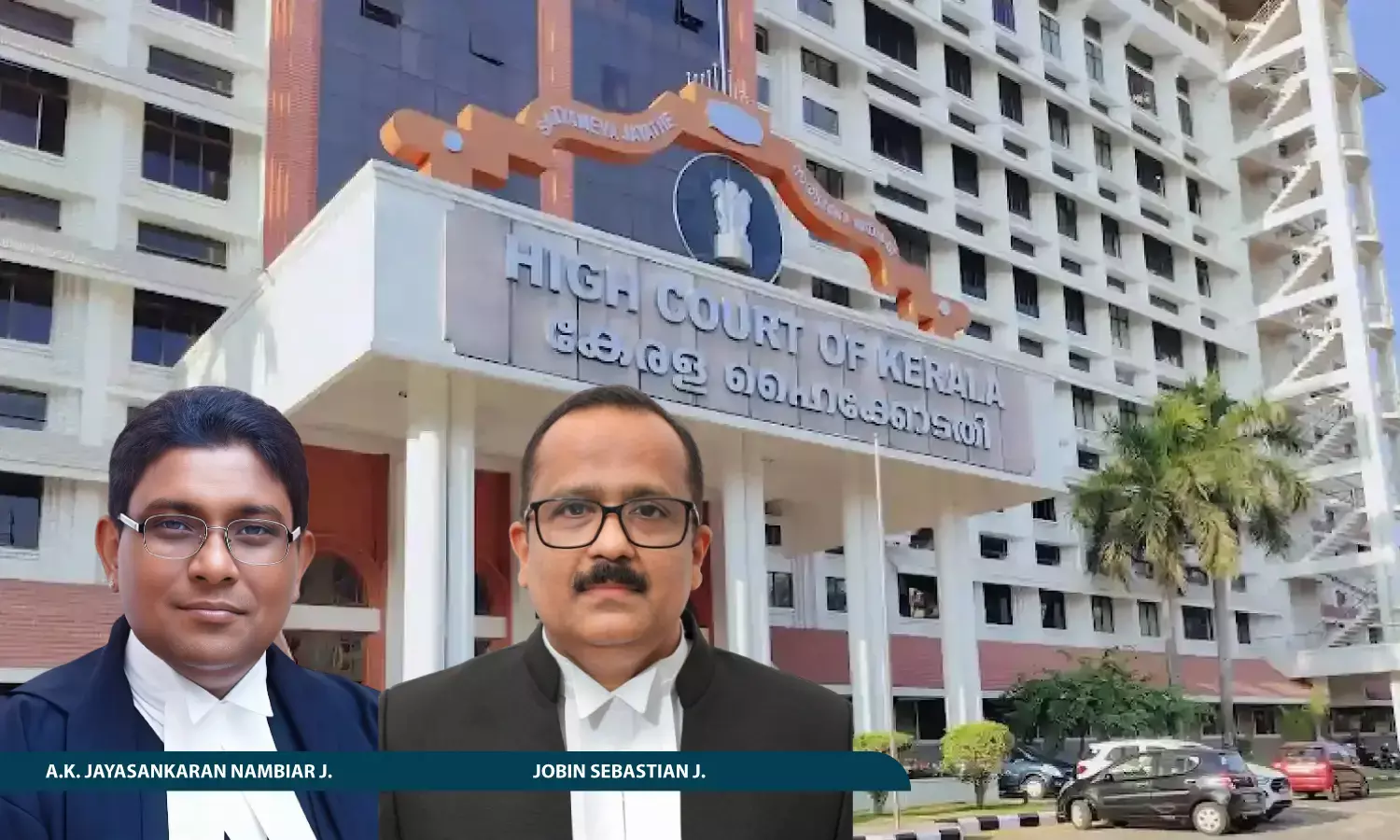
The Division Bench of Justice A.K. Jayasankaran Nambiar and Justice Jobin Sebastian held, “In our view, the choice of the alleged detenus with regard to their beliefs or the congregation that they must join is a matter that rests exclusively within the private domain of the individual concerned. Interference by the State in such matters would have a chilling effect on the exercise of constitutional freedoms by the individual concerned. It is therefore that, as the “sentinels on the qui vive”, this Court must tread with caution when called upon to issue writs in the nature of Habeas Corpus alleging illegal detention of the person for whose benefit the writ is sought.”
“We have also not been shown any material that would suggest that the daughters of the petitioners are being detained by respondents 7 to 9, who are Nuns, who have taken their holy vows and embraced a life of spirituality. The mere disgruntlement of a parent with the decision of his adult daughter, who has chosen a life of celibacy by responding to the call of the Divine, cannot be the basis for the issuance of a writ of Habeas Corpus”, it added.
Senior Advocate Eorge Poonthottam represented the Petitioner while Government Pleader K.A.Anas represented the Respondent.
Factual Background
The petitioners claimed that while their respective daughters had joined the said congregation at a time when the said congregation was recognized by the Archdiocese of Thrissur, subsequent activities of the private respondents resulted in a decree of dissolution of the Archdiocese of Thrissur formally dissolving the said congregation and holding that the said congregation including its postulants and candidates would have no rights, privileges and duties under the Archdiocese of Thrissur,. The respondents were at liberty to join other Institutes of Consecrated Life [Monasteries/Orders/Congregations etc.] as per their choice and the laws of the Church. It was brought to the Court’s notice that an appeal preferred by the seventh respondent before the Dicastery for the Eastern Churches in Rome was dismissed by the appellate authority, and the decision of the Archdiocese of Thrissur was upheld.
Reasoning
Referring to the judgments of the Apex Court, the Bench affirmed that the writ of Habeas Corpus is a writ that provides an extraordinary remedy which should not be permitted unless ordinary remedies have already been exhausted and proven to be ineffective. “It is trite therefore that except in the cases of minors or persons otherwise incapacitated to give their consent in relation to matters affecting their life, this Court would have to look at cases where the alleged detenu is above the age of majority with due circumspection, for it cannot ignore the individual autonomy that a citizen of this country enjoys when it comes to exercise of his or her fundamental rights under the Constitution”, it added.
Dealing with the facts of the case, the Bench noted that the alleged detenus were all educationally qualified and there was no reason to suspect that they were acting other than of their own free will while choosing to join the congregation of respondents. As per the Bench, the petitioners were apparently members of Churches coming under the Archdiocese of Thrissur, and their anxiety was with regard to their daughters having joined a congregation that, at present, was not spiritually aligned with the ideologies of the Archdiocese of Thrissur. “However, that by itself cannot be a reason for us to ignore the agency inherent in the alleged detenus that informed their decision to join the Monastery of Holy Ruah (MHR)”, the order read.
The Bench also took note of the enquiries made by the Police authorities with the alleged detenus wherein they had given signed statements reiterating that they were continuing in the holy order of their own free will and there was no coercion or undue influence exerted on them by the private respondents. Thus, considering such facts and circumstances, the Bench dismissed the Petition.
Cause Title: Joju George v. Sate Of Kerala (Neutral Citation: 2026:KER:27190)
Appearance
Petitioner: Senior Advocate Eorge Poonthottam, Advocates Thomas J. Anakkallunkal, Arun Chandran, Jayaraman S., Anupa Anna Jose Kandoth, Dhanya Sunny, Ann Milka George
Respondent: Government Pleader K.A.Anas