Wife’s Employment No Bar To Maintenance When Unemployed Husband’s Past Lucrative Income Shows Earning Capacity: Karnataka High Court
The Court held that an able-bodied husband cannot evade maintenance obligations by citing unemployment, particularly when past earnings and qualifications indicate sustained earning capacity.
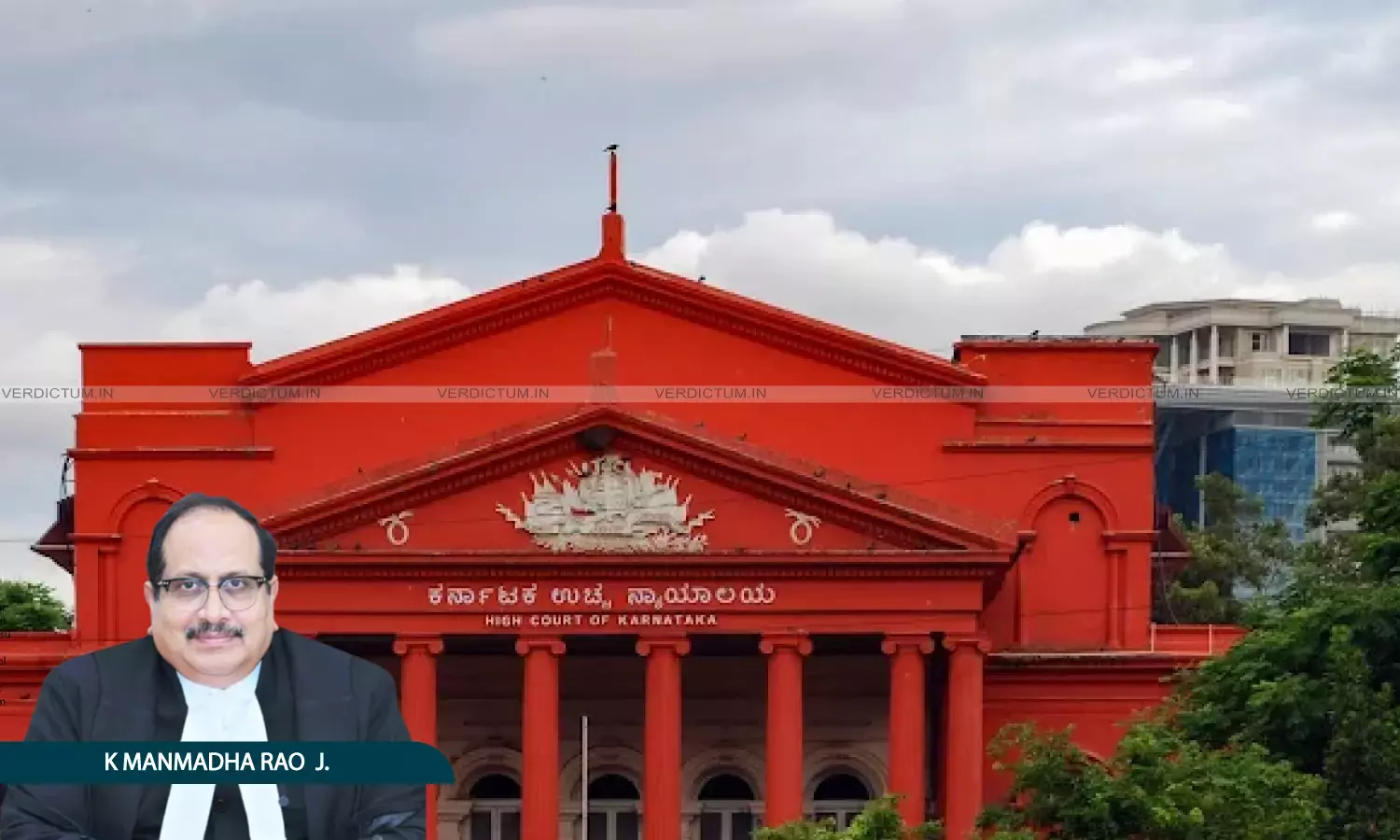
The Karnataka High Court has held that a wife’s gainful employment is not an absolute bar to the grant of maintenance, particularly where the unemployed husband’s past income and professional qualifications demonstrate his capacity to meet matrimonial obligations.
The Court was hearing a writ petition filed by the husband under Article 227 of the Constitution, challenging an order of the Family Court directing him to pay interim maintenance of ₹20,000 per month to the respondent-wife.
A Bench of Justice K. Manmadha Rao observed while taking note that the husband’s “professional qualifications and past lucrative income signify a continued capacity to meet matrimonial obligations” accordingly reiterated that the wife’s “gainful employment is not an absolute bar to awarding maintenance”.
Advocate Kapil Dixit appeared for the Petitioner, while Rego L.P.E., Advocate appeared for the Respondent.
Background
The parties were married in July 2021, and both were divorcees at the time of marriage. The relationship was short-lived and marked by disputes, with the husband alleging that the wife treated him as a financier and used threats of criminal complaints to extract money.
The husband, a software engineer, claimed that he had lost his job in September 2023 and was presently unemployed, surviving on savings and parental support. The wife, on the other hand, was employed in Bengaluru, earning over ₹40,000 per month and had initiated proceedings under Section 125 CrPC seeking maintenance.
The Family Court awarded interim maintenance of ₹20,000 per month, which was challenged by the husband on the ground that the wife was financially independent and that he lacked present income.
Court’s Observation
The Court examined the petitioner’s plea of unemployment and held that mere loss of employment does not absolve an able-bodied husband of his legal obligation to maintain his spouse. Relying on the law laid down in Rajnesh v. Neha (2021), the Court observed that an able-bodied husband is presumed to be capable of earning.
It noted that the petitioner’s financial documents, including Tax Deduction Statements, reflected substantial past earnings, observing that his professional qualifications and past lucrative income signify a continued capacity to meet matrimonial obligations.
The Court rejected the contention that the respondent-wife’s employment disentitled her from maintenance. It reiterated that gainful employment by itself does not preclude a claim for maintenance.
The Court clarified that the relevant consideration is whether the income earned is sufficient to sustain a lifestyle commensurate with that enjoyed during the matrimonial relationship.
The Court compared the earning capacities of both parties and found that the wife’s income was modest when viewed against the husband’s past earnings, observing that “the Respondent’s salary of Rs. 40,000/- is comparatively modest and does not bridge the status gap,” particularly in light of the petitioner’s previously documented high income.
The Court also examined the quantum of maintenance and noted that the wife had initially sought ₹70,000 per month, which was reduced by the Family Court to ₹20,000. It held that the awarded amount was reasonable, observing that it was “a conservative and supportive maintenance amount intended to prevent destitution relative to the Petitioner’s status.”
On the scope of interference, the Court held that no jurisdictional error or illegality was made out in the order of the Family Court.
It observed that the Family Court had correctly applied the principles laid down in Rajnesh v. Neha (2021) and that the order was “just and reasonable”, not warranting interference in supervisory jurisdiction.
Conclusion
The High Court dismissed the writ petition and upheld the order directing payment of ₹20,000 per month as interim maintenance.
The Court further directed the petitioner to clear all arrears of maintenance within three months from the date of the order.
Cause Title: PMH v. SW