Public Servant Status Grants No Immunity From Investigation: J&K And Ladakh High Court Refuses To Quash FIR Against Police Officer
The Court held that the absence of the officer’s name from the original complaint was not conclusive because additional persons may be implicated when material surfaces during investigation.
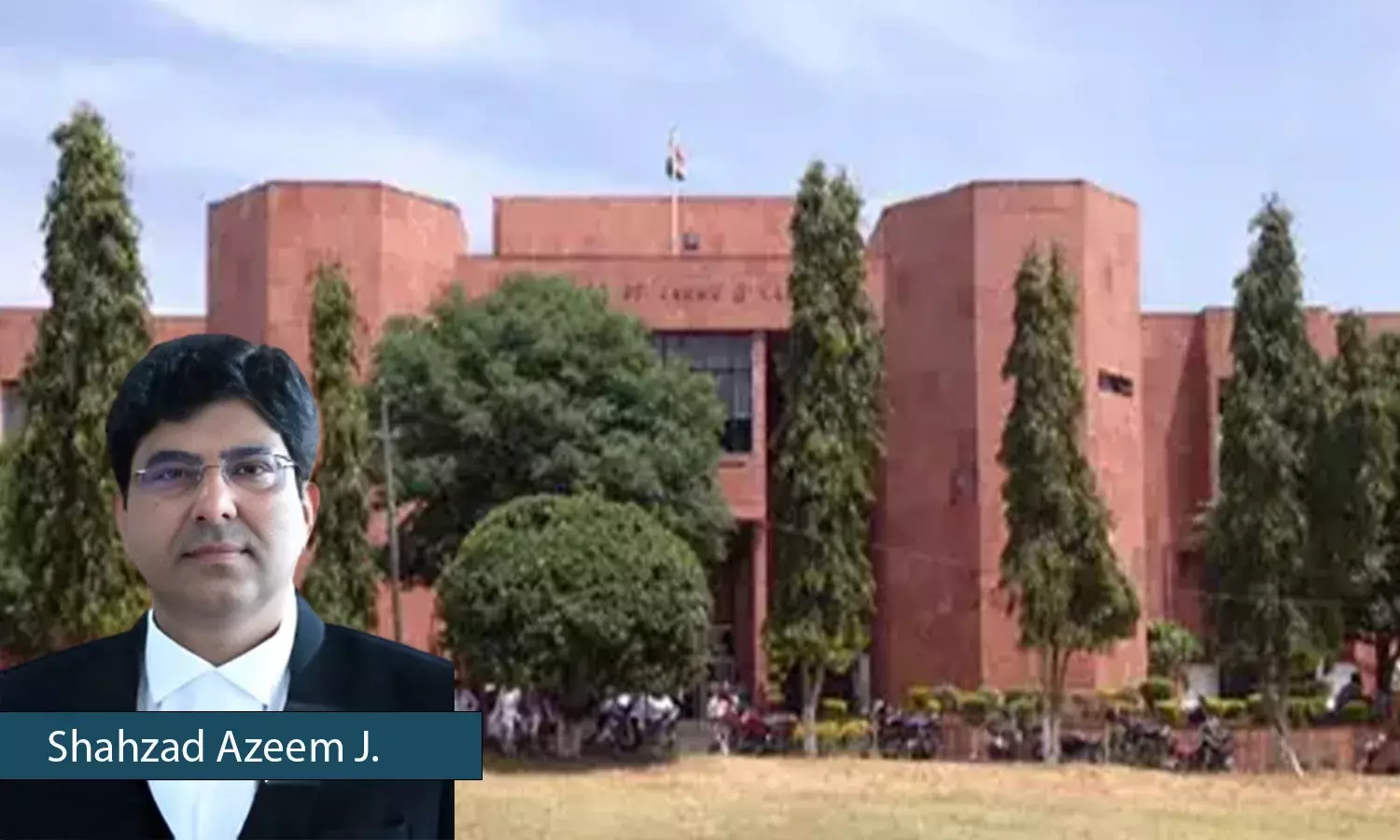
Justice Shahzad Azeem, Jammu & Kashmir and Ladakh HC
The Jammu and Kashmir and Ladakh High Court has held that the status of a serving police official does not, by itself, create a presumption of guilt, but equally does not confer immunity from investigation once a cognizable offence is disclosed and material connecting the officer surfaces.
The Court refused to quash a robbery case against a police officer who had allegedly been identified during a Test Identification Parade conducted in the course of the investigation.
The Court was hearing a petition under Section 528 of the BNSS, read with Article 226 of the Constitution, seeking quashing of the first information report only insofar as it concerned the police officer. The petitioner also sought preservation of his posting, duty, deployment and movement records for the relevant date, along with the original Test Identification Parade proceedings and connected identification records.
A Bench of Justice Shahzad Azeem observed: “The Petitioner is a serving police official who, according to the material collected during investigation, has been identified in connection with an alleged incident of robbery [Section 309 (4) BNS] and related offences. While the status of a public servant does not, by itself, create any presumption of guilt, it equally does not immune him from investigation once a cognizance offence is disclosed and material connecting him surfaces.”
Advocate M. Saleem Parray appeared for the petitioner.
Background
The first information report alleged robbery and related offences under Sections 318(4), 309(4), 126(2) and 61(2)(a) of the Bharatiya Nyaya Sanhita, 2023. The original complaint did not name the petitioner and referred to the police personnel allegedly involved as unknown persons.
The petitioner contended that the complaint did not attribute any act of inducement, receipt of money, taking of gold, threat or prior agreement to him. According to him, his name was introduced only after a Test Identification Parade conducted during the investigation.
The petitioner did not ask the High Court to evaluate the identification material at that stage or to treat the omission of his name from the original complaint as conclusive. He sought preservation of the primary official and identification records so that the legality of his implication could subsequently be assessed on sustainable material.
The Test Identification Parade was conducted in the presence of an Executive Magistrate after permission had been obtained from the Court of the Judicial Magistrate First Class. A subsequent order recorded that a witness had positively identified the petitioner. On the strength of that identification and a report submitted by the Sub-Divisional Police Officer, the petitioner was arrayed as an accused and served with a notice under Section 35(3) of the BNSS.
The original Test Identification Parade proceedings, the earliest description supplied by the witnesses and the record concerning any previous opportunity to see the petitioner were not placed before the High Court.
Court’s Observations
FIR Need Not Contain The Entire Prosecution Case
The Court rejected the suggestion that the petitioner’s omission from the original complaint prevented the investigating agency from subsequently proceeding against him. It explained that the first information report initiates the investigation and need not contain every detail or identify every person whose alleged involvement may later emerge.
The Court observed: “It is well settled that an FIR is not an encyclopedia of the entire case and is always subject to the collection of requisite material during the course of investigation.”
It further held that the police were under a statutory duty to register a first information report when a cognizable offence was reported. If the involvement of a person who had not initially been named surfaced during the investigation, no statutory prohibition prevented the investigating agency from proceeding against that person.
Identification Material Connected Officer To Alleged Offence
The Court noted that the identification parade had not been conducted informally by the investigating agency. It had been held in the presence of an Executive Magistrate after permission from the competent Judicial Magistrate.
Referring to the material relied upon by the investigating agency, the Court recorded: “The Order dated 16th of October, 2026 (Annexure-II) recites that the Petitioner was positively identified by Basharat Ahmad Kachroo.”
The Court noted that this identification, together with the report of the Sub-Divisional Police Officer, formed the basis for arraying the petitioner as an accused. The allegations concerned robbery under Section 309(4) of the BNS and connected offences.
The Bench clarified that the officer’s public-service status did not establish his guilt. However, the same status could not prevent investigation where the first information report and subsequently collected material disclosed his alleged connection with cognizable offences.
Threshold Interference Would Stifle Investigation
The Court confined its scrutiny to whether the first information report, read with the later identification and the report leading to the petitioner’s implication, disclosed a cognizable offence. It did not undertake an assessment of the evidentiary value or ultimate reliability of the identification material.
The Bench found that the petitioner had not demonstrated that the material relied upon by the investigating agency was nonexistent. Nor had he shown that the investigation was being conducted with bias.
It held: “In these circumstances, interference under Section 528 of the BNSS read with Article 226 of the Constitution of India at the threshold would amount to stifling a legitimate investigation.”
The Court recorded that the original identification-parade proceedings, the witnesses’ earliest description and the record of any prior opportunity to see the petitioner had not been placed before it. It also noted that the petitioner was not inviting an evaluation of the identification record at that stage.
Conclusion
The High Court held that the first information report, subsequent identification and investigating officer’s report disclosed sufficient material for the investigation against the serving police official to continue. It clarified that the officer’s status neither created a presumption of guilt nor provided immunity from investigation.
Finding no ground for interference under Section 528 of the BNSS, read with Article 226 of the Constitution, the Court dismissed the petition in limine as being without merit. It also dismissed the connected application.
Cause Title: Fayaz Ahmad Sheikh v. Union Territory of Jammu and Kashmir and Others