Repeated Taunts Over “Small Car” & “Insufficient Gold” Can’t Be Treated As Casual Remarks At Stage Of Framing Charge U/S 498A IPC: Delhi High Court
The Court also held that the Sessions Court had exceeded the limited scope permissible at the stage of framing of charge by presuming that the respondent-husband, merely because he had remarried to provide care to his children, could not have subjected the deceased to cruelty.

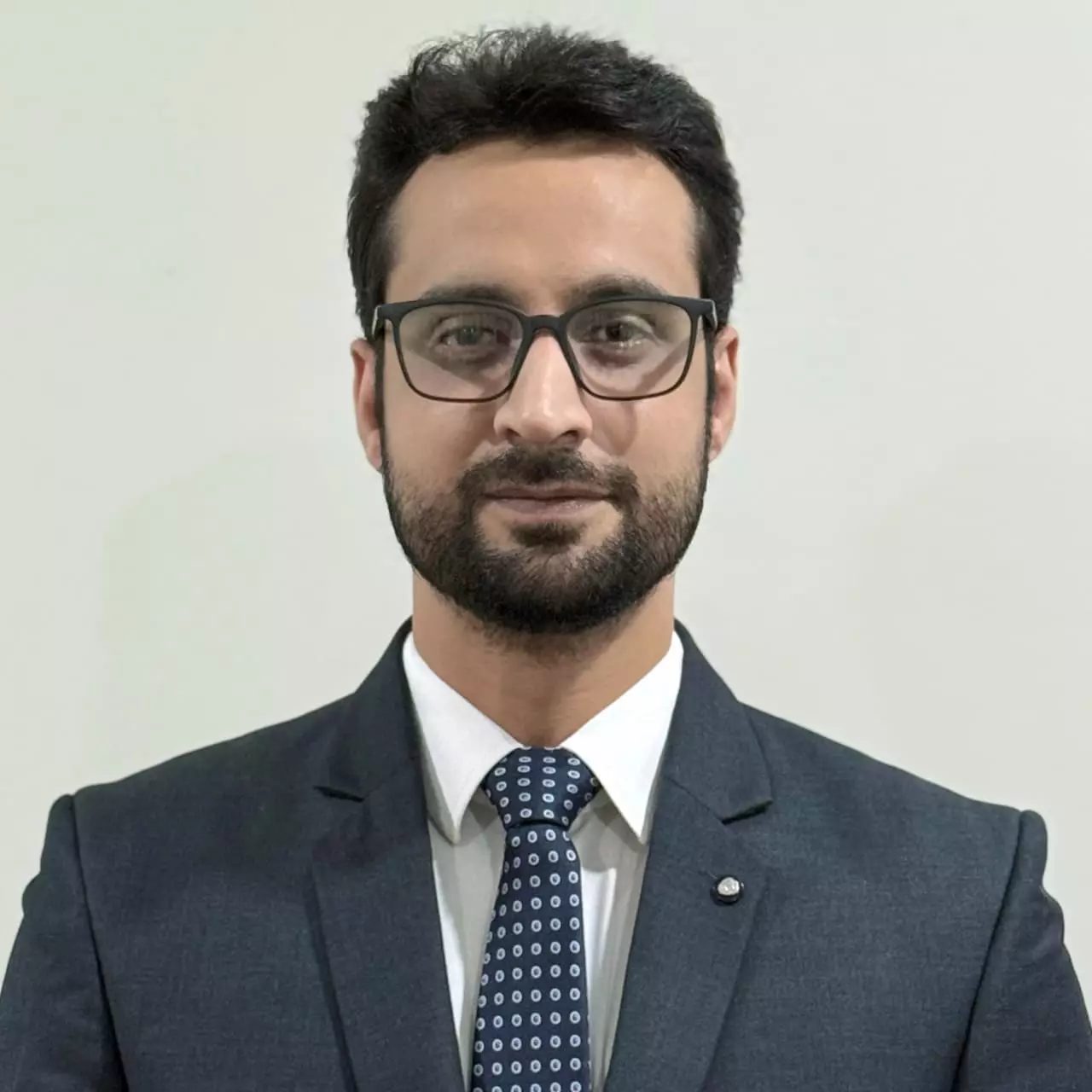
Justice Swarana Kanta Sharma, Delhi High Court
The Delhi High Court has held that repeated taunts made to a deceased woman regarding alleged failure of her family to fulfil dowry-related promises, including remarks concerning a “small car” and insufficient gold, prima facie disclose harassment connected with dowry demands and attract the ingredients of Section 498A of the Indian Penal Code.
The Court observed that such allegations could not be brushed aside as mere casual remarks at the stage of framing of charge.
The Court was hearing revision petitions filed by the State and the father of the deceased, challenging an order passed by the Sessions Court discharging the respondent-husband of offences under Sections 498A and 304B IPC in connection with the death of his wife within about ten months of marriage.
A Bench of Justice Swarana Kanta Sharma observed: “The allegations levelled by the complainant are specific in nature and have been directly attributed to the respondent-husband. The alleged remarks, that the complainant had promised a bigger car but had given money sufficient only for a smaller car, and that the gold articles given were less than what had been promised, prima facie indicate harassment of the deceased in connection with alleged dowry demands”.
The Bench further observed: “Thus, the truthfulness or otherwise of the allegations is a matter of trial and in the facts of the present case, repeated taunts relating to dowry demands, if taken at face value, cannot be treated as casual remarks at this stage.”
Naresh Kumar Chahar, APP, represented the appellant. Advocates Anand Shankar and Manish Rohilla appeared for the respondents.
Background
The case arose from the death of a woman after she allegedly fell from the roof of her matrimonial home in Delhi. She was declared “brought dead” at GTB Hospital.
The complainant, who was the father of the deceased, alleged that his daughter had married the respondent-husband and had thereafter been subjected to harassment in connection with dowry demands by her in-laws.
It was alleged that about ₹30–35 lakhs had been spent on the marriage and ₹6 lakhs had been paid towards the purchase of a car. According to the complainant, after the initial two months of cordial matrimonial life, the deceased was allegedly taunted for bringing insufficient dowry, including remarks that a bigger car had been promised and the gold articles given were inadequate.
The complainant further alleged that the deceased used to narrate incidents of harassment whenever she visited her parental home and expressed reluctance to return to her matrimonial home.
During the investigation, CCTV footage was collected, statements of witnesses were recorded, and medical records from IHBAS were summoned. The investigation culminated in the filing of a chargesheet under Sections 498A/304B/34 of the Indian Penal Code, 1860, against the respondent-husband.
The learned Sessions Court thereafter discharged the respondent-husband of all offences, leading to the present revision petitions before the High Court.
Court’s Observation
The High Court examined the scope of Section 498A of the Indian Penal Code, 1860 and noted that the provision contemplates both wilful conduct likely to cause grave injury and harassment connected with unlawful dowry demands.
The Court referred to the decision of the Supreme Court in Aluri Venkata Ramana v. Aluri Thirupathi Rai & Ors. (2024), wherein it was observed that cruelty under Section 498A includes both physical and mental harm as well as harassment connected with unlawful demands.
The Court also noted the settled principle that allegations under Section 498A must be specific and not vague or omnibus in nature, while referring to Dara Lakshmi Narayana v. State of Telangana (2024).
While considering the allegation that the deceased had been forcibly taken to IHBAS for treatment, the Court examined the medical record and found that the deceased had been diagnosed with schizophrenia and had symptoms including self-muttering, hearing voices and disturbed sleep. The Court noted that the medical records prima facie supported the respondent-husband’s explanation regarding medical treatment and held that the visit to IHBAS could not, at that stage, be construed as cruelty.
However, the Court separately examined the allegations relating to dowry-related harassment. Referring to the complainant’s statement under Section 161 of the Cr.P.C., the Court recorded that the deceased had informed her father that the respondent-husband and other in-laws used to taunt her by stating, “tumhare baap ne to badi gaadi dene ki baat ki thi lekin chhoti gaadi ke paise diye, jo sona dene ka vaada kiya tha, woh bhi kam diya.”
The Court observed, “the allegations levelled against the respondent-husband disclose harassment connected with alleged dowry demands and, therefore, cannot be brushed aside at the stage of framing of charge.”
The Court further noted that the statements of the mother, brother and grandfather of the deceased consistently disclosed that the respondent-husband used to taunt the deceased regarding alleged non-fulfilment of dowry-related promises. It was also noted that the deceased had expressed reluctance to return to her matrimonial home.
Disagreeing with the Sessions Court’s finding that the alleged remarks were mere taunts insufficient to attract Section 498A, the High Court held, “The allegations against the respondent-husband are not of stray or isolated remarks, but of repeated taunts made to the deceased in relation to alleged dowry expectations.”
The Court also referred to the decision of the Supreme Court in Manendra Prasad Tiwari v. Amit Kumar Tiwari (2022) and reiterated that at the stage of framing of charge, the Court is only required to determine whether the material discloses a prima facie case or raises a grave suspicion against the accused.
Further, the Court held that the Sessions Court had exceeded the permissible scope of consideration at the stage of charge by presuming that the respondent-husband, being a widower who remarried for the care of his children, would have no reason to subject the deceased to cruelty. The High Court observed, “The reasons for entering into a marriage cannot, by themselves, rule out the possibility of cruelty or harassment within the matrimonial relationship.”
Therefore, the Court concluded, "in view of the foregoing discussion, this Court is of the prima facie opinion that the allegations against the respondent-husband disclose harassment in connection with alleged dowry demands, thereby attracting the ingredients of Section 498A of the IPC for the purpose of framing of charge".
On the offence under Section 304B of the Indian Penal Code, 1860, however, the Court held that although the death had occurred within seven years of marriage and there were allegations of dowry-related harassment, the material on record did not disclose any specific incident of harassment “soon before” the death to establish the necessary proximate and live link required under Section 304B.
The Court relied upon the decision of the Supreme Court in Satbir Singh v. State of Haryana (2021) regarding the interpretation of the expression “soon before”.
The Court also noted that the respondent-husband was allegedly on official duty at the relevant time and there was no material indicating his physical presence at the spot when the incident occurred.
Conclusion
The High Court held that the material on record prima facie disclosed the ingredients of the offence punishable under Section 498A of the Indian Penal Code, 1860, against the respondent-husband and that the learned Sessions Court had erred in discharging him for the said offence.
However, the Court upheld the discharge insofar as the offence under Section 304B of the Indian Penal Code, 1860 was concerned, holding that the material on record did not disclose the existence of a proximate and live link between the alleged dowry-related harassment and the death of the deceased.
Accordingly, the impugned order was set aside to the limited extent of discharge under Section 498A of the Indian Penal Code, 1860, and the learned Sessions Court was directed to frame a charge against the respondent-husband for the said offence and proceed further in accordance with law.
Cause Title: State (GNCTD) v. Manoj Kumar & Connected Matter (Neutral Citation: 2026:DHC:3847)
Appearances
Petitioner: APP Naresh Kumar Chahar
Respondents: Advocates Manish Rohilla, Pradeep Kumar Yadav, Mahesh Arasu, Abhishek Singh and Aman Singh, Anand Shankar and Amit Kumar