

Prosecutrix’s Alleged Immorality Cannot Be A Basis To Infer Consent At Charge Stage: Delhi High Court
In the matter involving alleged intimate video threat, the Bench noted that trial court’s reliance on complainant’s conduct and on non-recovery of the alleged video amounted to a mini-trial.

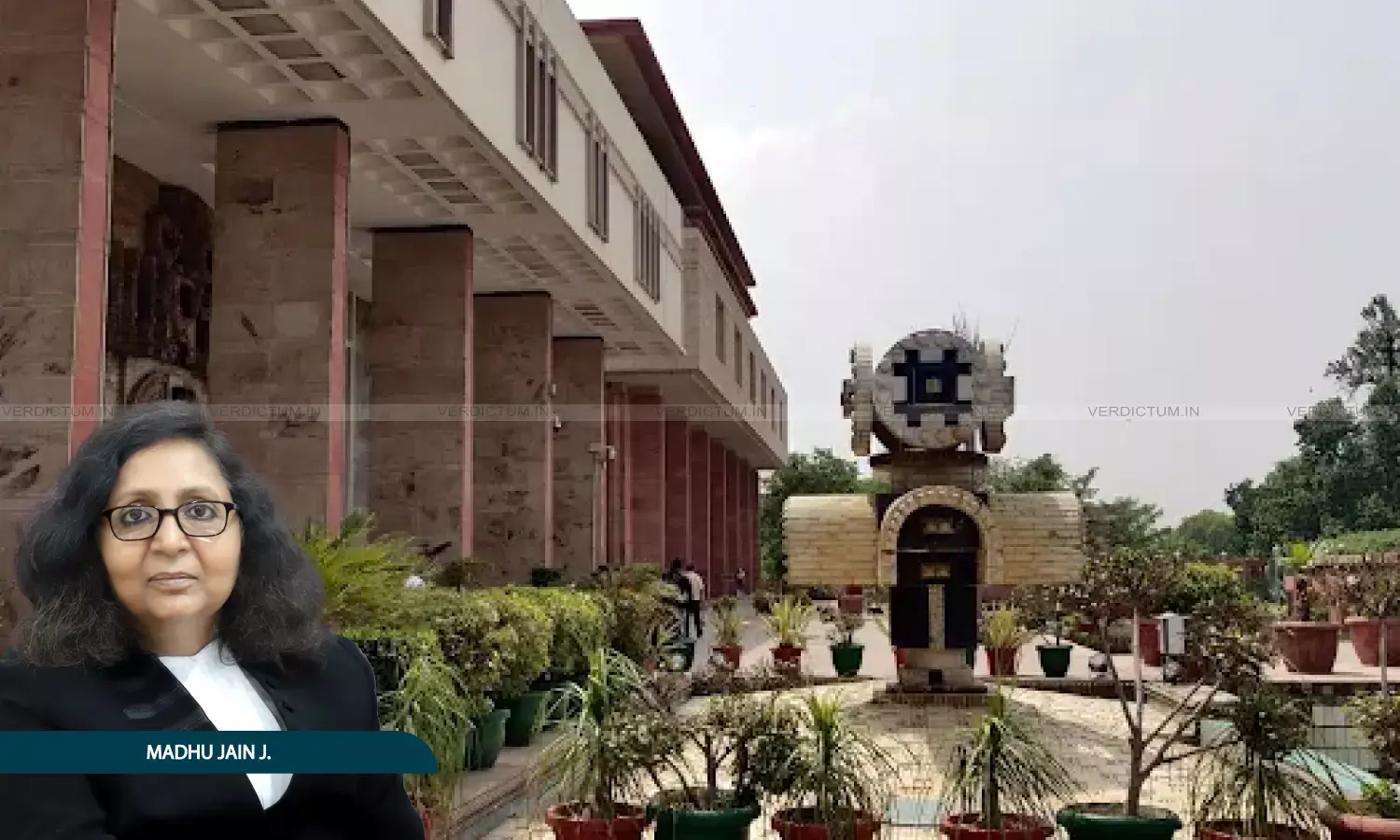
Justice Madhu Jain, Delhi High Court
The Delhi High Court has held that observations on the alleged immorality of a prosecutrix cannot form a legitimate basis for inferring her consent and rejecting the prosecution case at the stage of charge. Setting aside the discharge of a man accused of secretly recording a woman bathing and coercing her into sexual relations by threatening to circulate the video, the Court said such observations were “neither necessary nor appropriate” for deciding the question of charge.
The Court found that the trial court did not confine itself to whether the material disclosed sufficient ground to proceed. It assessed the prosecutrix’s credibility, drew conclusions about her relationship with the accused, and rejected her allegations on perceived improbabilities. The Court held this resolved disputed questions of fact beyond the limits of Sections 227 and 228 of the Code of Criminal Procedure, 1973.
A Bench of Justice Madhu Jain observed, “…Section 53A of the Indian Evidence Act, 1872, also recognises that, in prosecutions involving the specified sexual offences, evidence concerning the character or previous sexual experience of the victim is not relevant to the issue of consent or the quality thereof. The observations concerning the petitioner's alleged immorality, therefore, cannot form a legitimate basis for rejecting the prosecution case at the stage of charge”, the Bench said.
Noting the Trial Court’s reliance upon the conduct of the prosecutrix, and its observations in the impugned order concerning her alleged immorality, the Bench observed, “Such observations were neither necessary nor appropriate for deciding the question of charge. The allegation of the petitioner was that respondent No. 2 had threatened to circulate an intimate recording and thereby compelled her to submit to his demands. Whether the alleged threats were made, whether they influenced her conduct and whether the sexual acts alleged were without consent are matters requiring consideration of the evidence. The conduct attributed to the petitioner could not, without such examination, conclusively establish consent”.
Advocate Gunjan Sinha Jain, DHCLSC appeared for the petitioner and Raj Kumar, APP appeared for the respondent.
According to the FIR registered on December 26, 2017, the accused, a neighbour, recorded a video of the complainant bathing in November 2016 and threatened to put it online. She alleged he used that fear to subject her repeatedly to sexual relations, pressured her to file for divorce, and compelled her to take cash and jewellery belonging to her sister-in-law. Separate FIRs were registered over the alleged theft.
A charge-sheet was filed on June 4, 2018. The accused said his Apple iPhone was lost and it was never recovered. A supplementary charge-sheet followed on December 17, 2020, with a forensic report stating that two other phones could not be powered on. On June 9, 2023, the Additional Sessions Judge, Karkardooma Courts, discharged him, citing the non-recovery of the video, the circumstances of the alleged recording, and the complainant’s conduct, including the divorce proceedings and theft cases.
The High Court held that the missing video was a circumstance to be weighed with the remaining material, not a ground to reject her version outright. The lost phone, likewise, neither established that a recording was made nor proved that none existed. On conduct, the Court said whether threats were made, whether they influenced her, and whether the acts were without consent required evidence. Referring to Section 53A of the Evidence Act, it noted that a victim’s character or previous sexual experience is not relevant to consent.
The Court set aside the June 9, 2023 order and remanded the matter for fresh consideration of charge. It clarified that its observations do not express any opinion on the guilt or innocence of the accused.
Cause Title: Prosecutrix v. State of NCT of Delhi & Anr. (Neutral Citation: 2026:DHC:9070)
Appearances:
Petitioner: Gunjan Sinha Jain (DHCLSC) appeared for the petitioner.
Respondent: Raj Kumar, APP, Niklesh Kumari Moseen, Advocate.