

POCSO Investigations Must Be Child-Sensitive, Properly Structured To Prevent Failure Of Justice: Gauhati High Court
Emphasising that investigations involving child victims must follow child-friendly safeguards, the High Court cautioned that defective investigations can undermine both the protection of children and the fairness of the criminal justice process.
The Gauhati High Court has underscored that investigations under the Protection of Children from Sexual Offences (POCSO) framework must be conducted through trained, child-sensitive procedures, including counselling support, appointment of support persons where necessary, and clear recording of statements.
The Court observed that such safeguards are essential to enable child victims to participate in the legal process without fear or confusion, and that investigative lapses risk defeating justice.
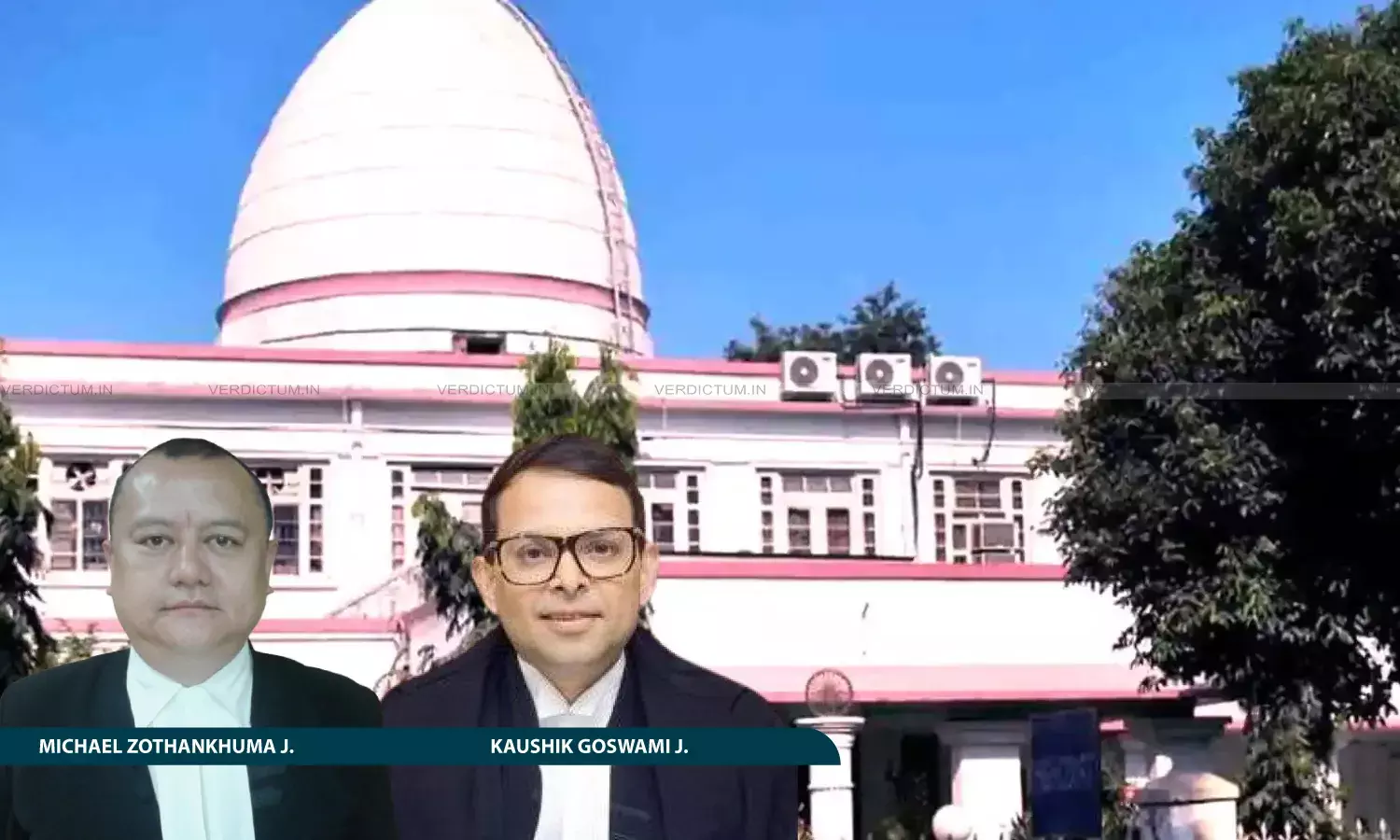
A Bench of Justice Michael Zothankuma and Justice Kaushik Goswami while expressing concern over serious deficiencies in the manner in which the investigation was conducted in a matter involving a child victim under the POCSO Act, observed: “Investigating agencies dealing with POCSO cases must be sensitized and trained to adopt child-friendly procedures, ensure counselling assistance where necessary, appoint support persons, and record clear, specific statements so that truth emerges without ambiguity. Proper investigation is essential both for the protection of child victims and for ensuring that criminal justice is not defeated.”
Background
The Court was hearing an appeal arising out of proceedings under the POCSO framework where, during appellate scrutiny, the Bench examined not only the evidentiary record but also the manner in which the investigation had been conducted.
While evaluating the material placed on record, the Court noticed that the earliest statements of the child victim were expressed in vague terms and lacked clarity on foundational aspects of the allegation.
Despite this, the record did not indicate that any structured counselling or emotional assistance had been provided to help the child articulate the events clearly and comfortably. There was also no material showing that a support person had been appointed to assist the child during the investigative or trial stages.
The Court further observed that several aspects of the investigation appeared incomplete or inadequately documented at the initial stage, resulting in ambiguities that complicated judicial evaluation of the evidence.
Court’s Observations
The Gauhati High Court clarified that the statutory framework governing the POCSO Act “is not only to punish offenders but also to ensure that a child victim is able to participate in the process without fear, confusion, or inhibition”.
Failure to provide such assistance, the Bench further held, “defeats the very purpose of the child-friendly procedures contemplated under the Act.”
According to the Court, where a child is unable to clearly articulate allegations, the investigative process must incorporate supportive measures such as psychological counselling and assistance from designated support persons. Failure to provide such safeguards frustrates the purpose of the child-friendly procedures contemplated under the law.
The Bench expressed concern that deficiencies in early investigation, including unclear documentation of statements and unexplained omissions, may prejudice both the prosecution and the defence. Such lapses, the Court highlighted, can result in ambiguity that undermines evidentiary clarity, potentially leading to miscarriage of justice.
The Court emphasised that officers handling child-related offences must be properly sensitised and trained to conduct interviews in a manner that is respectful, non-intimidating, and legally sound. An accurate, specific recording of statements at the earliest stage was described as critical to ensuring that the truth emerges without distortion.
The Bench also noted the importance of maintaining procedural integrity in judicial records, observing that administrative lapses in handling case documentation can compromise orderly adjudication. Proper record management, the Court stated, is integral to preserving confidence in the justice system.
Conclusion
With respect to the case at hand, the Bench concluded: “This Court also expresses its dissatisfaction with the quality of investigation. Crucial aspects were not clarified at the earliest stage; material omissions remained unexplained; and the foundational facts of the alleged offence were not properly elicited. Such lapses result not only in prejudice to the accused but also in failure of justice to the child, as a defective investigation may lead to acquittal even where an offence might have occurred”.
Taking the cumulative effect of these infirmities into account, the Court held that the trial court had failed to properly appreciate material contradictions, omissions, and procedural lapses, rendering the conviction legally unsustainable.
The appeal was accordingly allowed. The impugned judgment and order of conviction were set aside and quashed, the appellant was acquitted of all charges, and directions were issued for immediate release if not required in any other case. The bail bonds were ordered to stand discharged.
Cause Title: Md Shah Alam v. The State of Assam
Appearances
Appellant: B.R.A. Sultana, Legal Aid Counsel.
Respondents: B. Bhuyan, Senior Counsel/Additional Public Prosecutor, Assam
