

Custody Cannot Be Used As Leverage In Marital Disputes; Separating 4-Year-Old From Mother Would Cause Trauma: Gujarat High Court
Court reiterates that welfare of minor is paramount, flagging suspicious separation deed says father’s custody not lawful

The Gujarat High Court has granted custody of a four-year-old girl to her mother, holding that separating a child of such tender age from her mother would cause trauma and would not be in the child’s best interest. The Bench in the judgment raised concerns about children being used as a weapon and as a leverage to achieve a favourable outcome in a marital dispute.
The Court also found a disputed separation deed relied upon by the father to be prima facie suspicious and not reliable. The father had relied on a separation deed dated 11-07-2025, to justify his custody. However, the Court found serious discrepancies in the document which did not inspire confidence. It noted that the first page of the deed appeared to have been inserted later, as the font size and line spacing differed from the remaining pages, and handwritten insertions were also present.
The Court also took note of the fact that even in a subsequent draft mutual consent divorce petition, it was contemplated that custody of the child would be handed over to the mother only after a decree of divorce, which had not yet been granted. In these circumstances, the Court held that the father’s custody of the child could not be termed lawful.
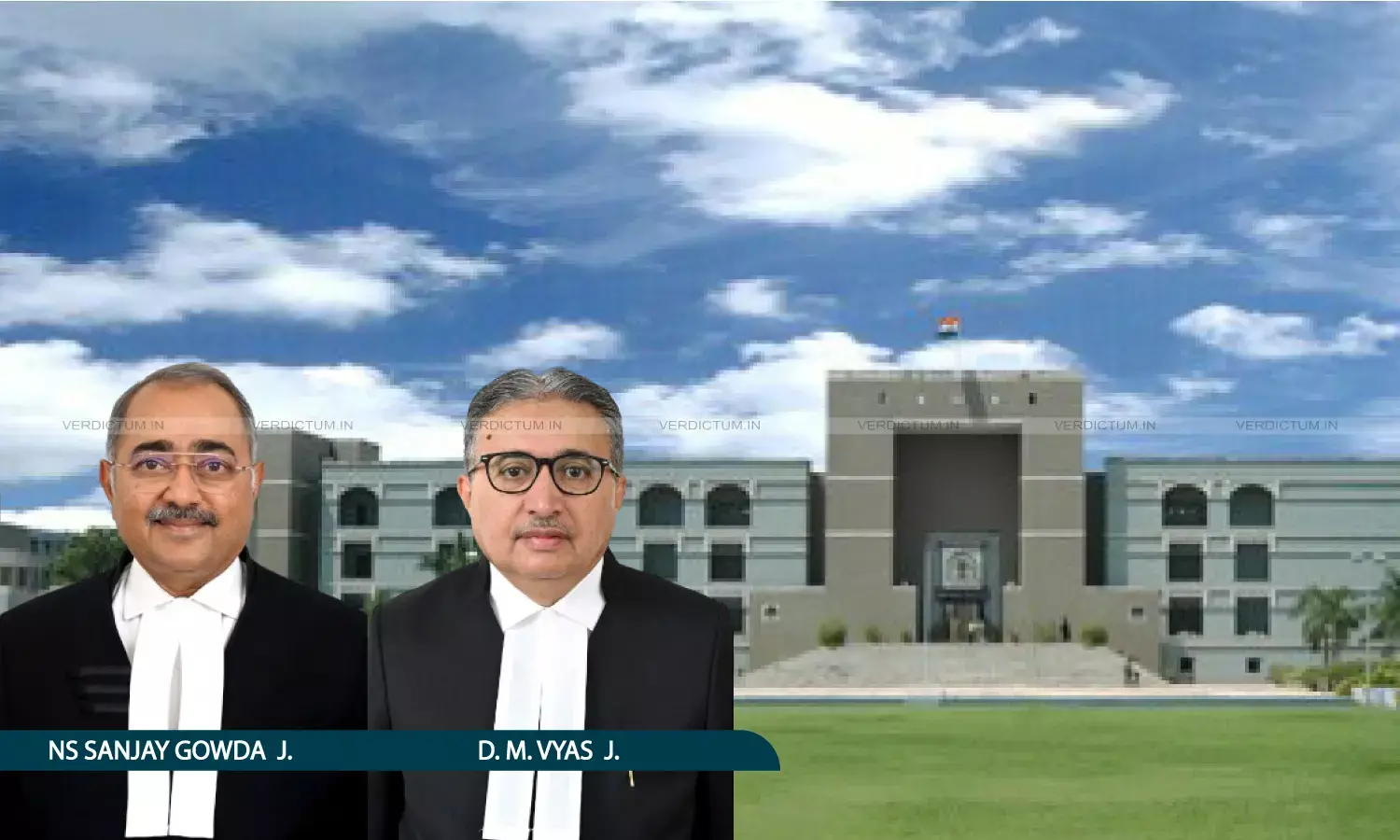
A Division Bench of Justice N.S. Sanjay Gowda and Justice D.M. Vyas observed, “…in far too many cases, including the present one, attempts are made by one of the parents to somehow secure the custody of the child and thereby exclude the spouse from exercising custodial rights, which results in unseemly litigation. The custody over the child is basically sought to be used as a weapon and as a leverage to achieve a favourable outcome in a marital dispute. This recourse adopted by warring parents leads to unnecessary trauma to a minor child, who at times, is not even able to discern as to what the litigation is all about and whether the fight is for her own good”.
Considering that the child was living with her mother for a period of almost 14 months, when she was extremely young and that a bond would have been created between the mother and child, the Court noted, “…Therefore, to separate the mother from her girl child, who is just about 4 years old, and who had been brought up only by the mother for about 1 year 2 months would not be in the interest of the child and would cause trauma to the child. By transferring the custody to the father, we would be basically forcing an entirely new and strange ecosystem on the child and she would be forced to face people who are basically strangers to her she had not even seen as she has been living with her mother in May 2024 when she was only about 3 years old”.
Advocate Dharm K Raval appeared for the applicant and Advocate Chintan Dave appeared for the respondent.
In the matter after examining the facts, the Court noted that the child was only four years old and had already been separated from her mother for a considerable period. It observed that under Section 6(a) of the Hindu Minority and Guardianship Act, 1956 custody of a child below five years of age ordinarily rests with the mother.
The Court observed that separating the child from her mother at such a tender age would be harmful. It held that separating a four-year-old girl from her mother “would not be in the interest of the child and would cause trauma to the child”.
Noting that interim custody had already been handed over to the mother during the pendency of the proceedings and that the child was now with her, the Court held that the mother was entitled to continue custody. However, balancing the rights of the father, the Court granted him visitation rights, permitting him to meet the child on weekends at specified times.
The Court clarified that its observations were limited to the habeas corpus proceedings and would not prevent either party from seeking appropriate custody orders from the competent family court.
Accordingly, the habeas corpus petition was allowed.
Cause Title: X v. State Of Gujarat & Ors. [Neutral Citation: 2026:GUJHC:12448-DB]
Appearances:
Applicant: Dharm K Raval, Advocate
Respondent: Chintan Dave, APP, Hari K Brahmbhatt, Advocate.