

Delhi High Court Restrains Ex-Employee From Defaming ‘Physics Wallah’; Orders Takedown of YouTube Videos
Freedom of speech does not extend to defamatory, abusive or trademark-infringing content

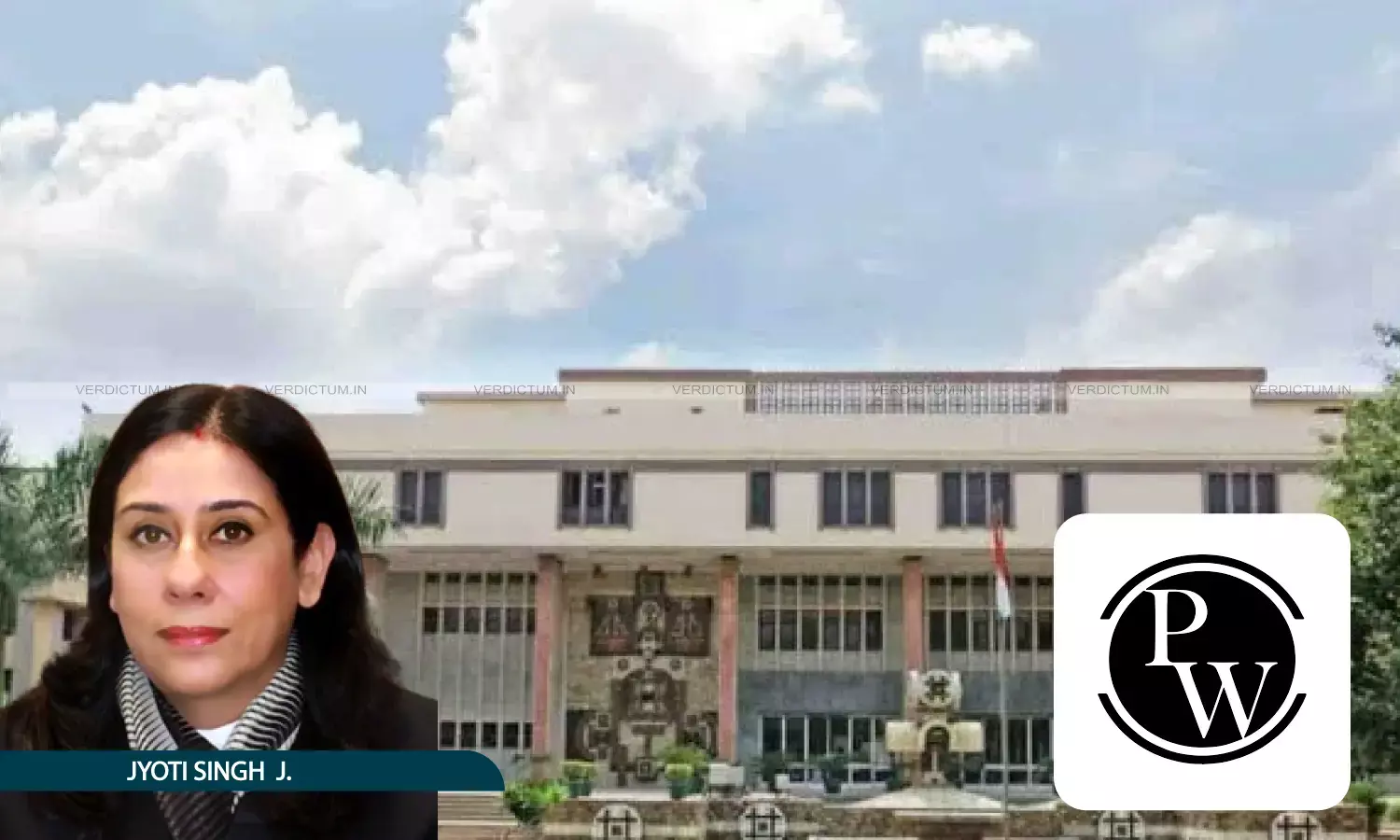
The Delhi High Court on Thursday granted an ad-interim injunction in favour of ed-tech unicorn Physics Wallah Limited, restraining a former employee from publishing or circulating allegedly defamatory, disparaging and abusive content against the company, its founder and employees on social media platforms.
The Court opined that freedom of speech under Article 19(2) of the Constitution of India does not protect defamatory, malicious, or abusive speech that harms the reputation or dignity of others, as the right to reputation is an integral part of fundamental rights.
Accordingly, a bench of Justice Jyoti Singh on grant of injunctive relief in cases of online defamation, observed, “Disparagement through misleading and/or abusive statements, constitutes an unlawful interference in other party’s commercial goodwill and is actionable in law. Use of social media to disseminate disparaging content exacerbates the mischief, given the speed, reach and permanence of digital publications and has the potential to cause immediate and irreparable harm to trademark’s reputation as also the goodwill of the effected party, which one builds over years of hard work and investments”.
In the present matter, Physics Wallah, founded by Alakh Pandey, approached the Court alleging that the defendants had uploaded videos branding the company as a “scam”, while simultaneously using deceptively similar marks such as “Scam Wallah”, “Emotion Wallah” and abbreviated forms like “CW” and “BW” for identical educational services. The plaintiff asserted that such acts were aimed at tarnishing its goodwill and misleading students and parents.
Senior Advocate Amit Sibal appeared for the plaintiff, and Advocate Utsav Mukherjee appeared for the respondent.
The petitioner argued that the videos were part of a calculated campaign to malign the brand and divert consumers, noting that despite receiving a legal notice, the defendant escalated the campaign by uploading fresh defamatory content.
Opposing the plea, counsel for defendant contended that the videos were protected by freedom of speech and represented truthful criticism. It was also argued that several third parties had posted similar content without facing legal action.
Rejecting the defence, the Court held that freedom of speech under Article 19 is not absolute and does not protect speech that is defamatory, malicious or abusive. Justice Jyoti Singh observed that the right to reputation is an integral facet of Article 21 and must be balanced against free expression.
The Court found that Physicswallah had established a prima facie case, noting that continued circulation of such content would cause irreparable harm to the company’s reputation and goodwill. It further held that the impugned marks were deceptively similar to the plaintiff’s registered trademarks and likely to cause consumer confusion.
Accordingly, the Court directed Defendant No.1 to take down the impugned URLs within five days, failing which platforms including YouTube, LinkedIn and Meta were directed to disable access. The defendant was also restrained from using Physics Wallah’s trademarks or publishing any further disparaging or abusive content until the next hearing.
The matter has been listed for further hearing on 27-03-2026.
Cause Title: Physicswallah Limited v. Nikhil Kumar Singh & Ors. CS (COMM) 70 of 2026
Appearances:
Plaintiff: Amit Sibal, Senior Advocate, Mohit Goel, Sidhant Goel, Aishna Jain, Urvashi Singh, Shashwat Mukherjee, Ishaan Pratap Singh, Ramaynia, Advocates
Defendants: Utsav Mukherjee, Mamta Rani Jha, Shruttima Ehersa, Rohan Ahuja, Aiswarya Debardarsini, Jahanvi Agarwal, Abhishek K. Singh, Saksham Chaturvedi, Amee Rana, Vishesh Sharma, Nivedita Sudheer, Advocates.