

DNA Evidence Alone Can Sustain Guilt Despite Hostile Testimony By Victim & Mother: Delhi High Court Upholds POCSO Conviction Of Father
Scientific evidence cannot be disregarded because family retracts under social or economic pressure

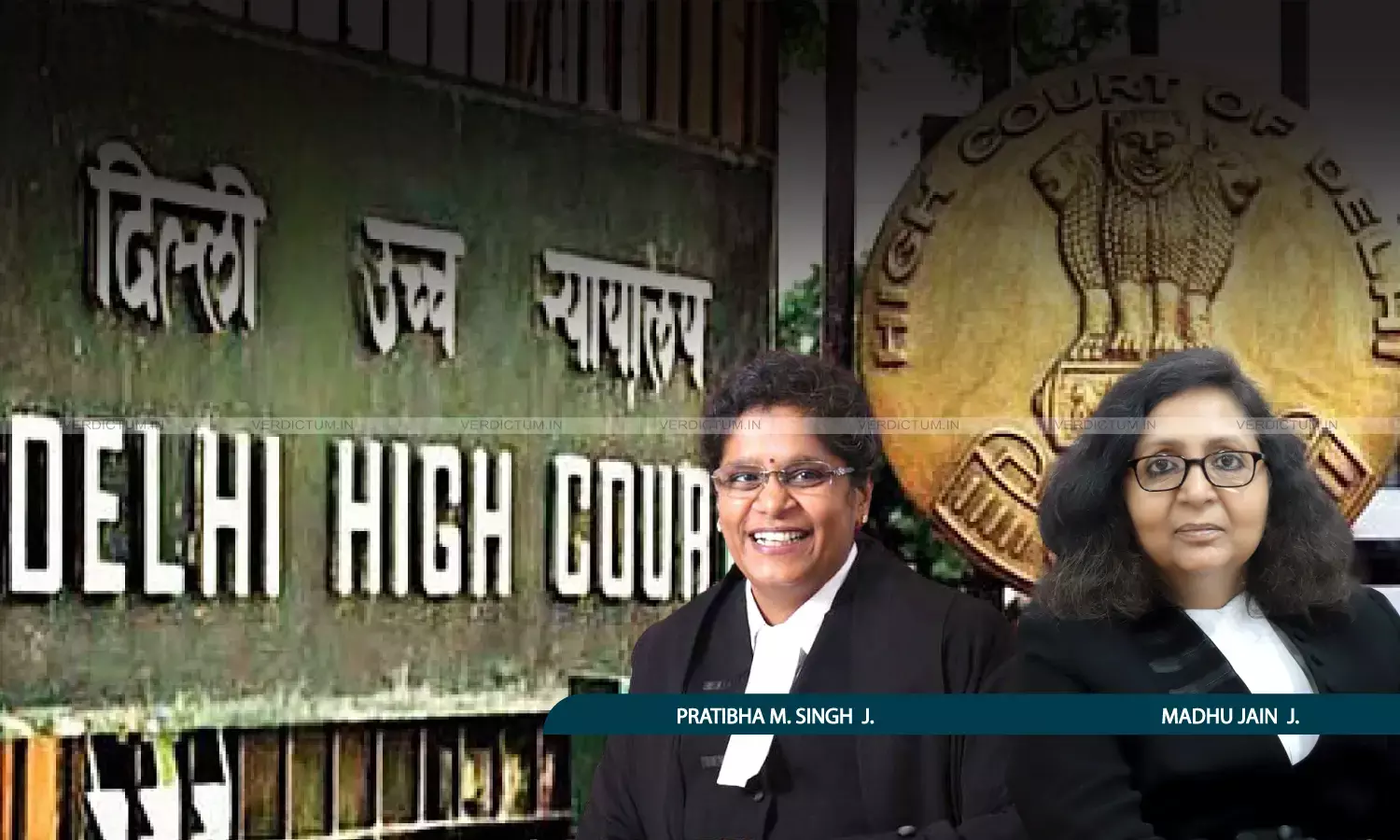
The Delhi High Court has dismissed a criminal appeal challenging conviction of a father under the POCSO Act, 2012, holding that conclusive DNA evidence establishing paternity of the foetus was sufficient to sustain the conviction, even though the victim and her mother had partly turned hostile during trial.
The Court observed that in cases of intra-familial sexual abuse, victims and their families often resile from earlier statements due to social stigma, fear, or economic dependence, but such factors cannot override objective forensic evidence.
Noting the evidences, a division bench of Justice Pratibha M. Singh and Justice Madhu Jain observed, “The social circumstances and the economic status of the family may have compelled the Prosecutrix and her mother to give contradictory statements or to turn hostile. However, in such cases the Court cannot completely ignore the scientific evidence which has come on record. In the present case, the DNA testing, being conclusive and unimpeachable evidence establishing the factum of physical relationship of the Appellant with the minor daughter, leaves no scope for doubt, and accordingly, the conviction of the Appellant cannot be faulted”.
Th Court on finding the father guilty of the gruesome offences considering the relationship of a father and a daughter, the court further observed, “A father who is supposed to safeguard the safety and security of his own daughter cannot be shown any relaxation in such cases. The presumption under Section 29 of the POCSO Act applies wholly in the present case”.
Advocate Gautam Khazanchi appeared for the petitioner and Ritesh Kumar Bahri, APP appeared for the respondent.
In the present matter, appeal was filed by the appellant–father under Section 415 read with Section 528 of the Bharatiya Nagarik Suraksha Sanhita, 2023 challenging the impugned judgment dated 30-07-2025 and the sentence order dated 29-08-2025 passed by the Sessions Court, Rohini, convicting him under Sections 376(2), 376(3), 506 IPC and Section 6 of the POCSO Act.
The case arose from an FIR registered at Police Station Jahangir Puri, wherein the minor victim alleged that she had been subjected to repeated sexual assault by her father, resulting in pregnancy. The pregnancy was medically terminated, and foetal samples were preserved and sent for forensic examination.
Now the issue before the court was whether the conviction could be sustained when the victim and her mother gave inconsistent statements during trial. Secondly, whether alleged lapses in the chain of custody weakened the DNA evidence relied upon by the prosecution.
The Court, however, noted that the FSL report conclusively established the convict as the biological father of the foetus and held that hostile or inconsistent testimony could not dilute the probative value of scientific evidence. It further observed that the statutory presumption under Section 29 of the POCSO Act remained unrebutted and that alleged defects in the chain of custody caused no prejudice, as the seals were intact and the samples duly proved.
Therefore, dismissing the appeal as well as the application seeking suspension of sentence, the bench held that DNA profiling constitutes unimpeachable scientific evidence, and once the paternity of the foetus was conclusively established, the conviction could not be doubted merely because some prosecution witnesses turned hostile.
Cause Title: Dry v. State NCT of Delhi [Neutral Citation: 2026:DHC:448-DB]
Appearances:
Petitioner: Gautam Khazanchi, Pooja Deepak. Advocates. (DHCLSC)
Respondent: Ritesh Kumar Bahri, APP with Vibha & Lalit Luthra, Advocates.