

Part Of Right To Fair Trial: Uttarakhand High Court Directs To Provide Witness Testimony To Blind Accused In Braille
The Uttarakhand High Court was considering a Criminal Revision filed against an order whereby the opportunity of the revisionist to cross-examine the first witness was closed.

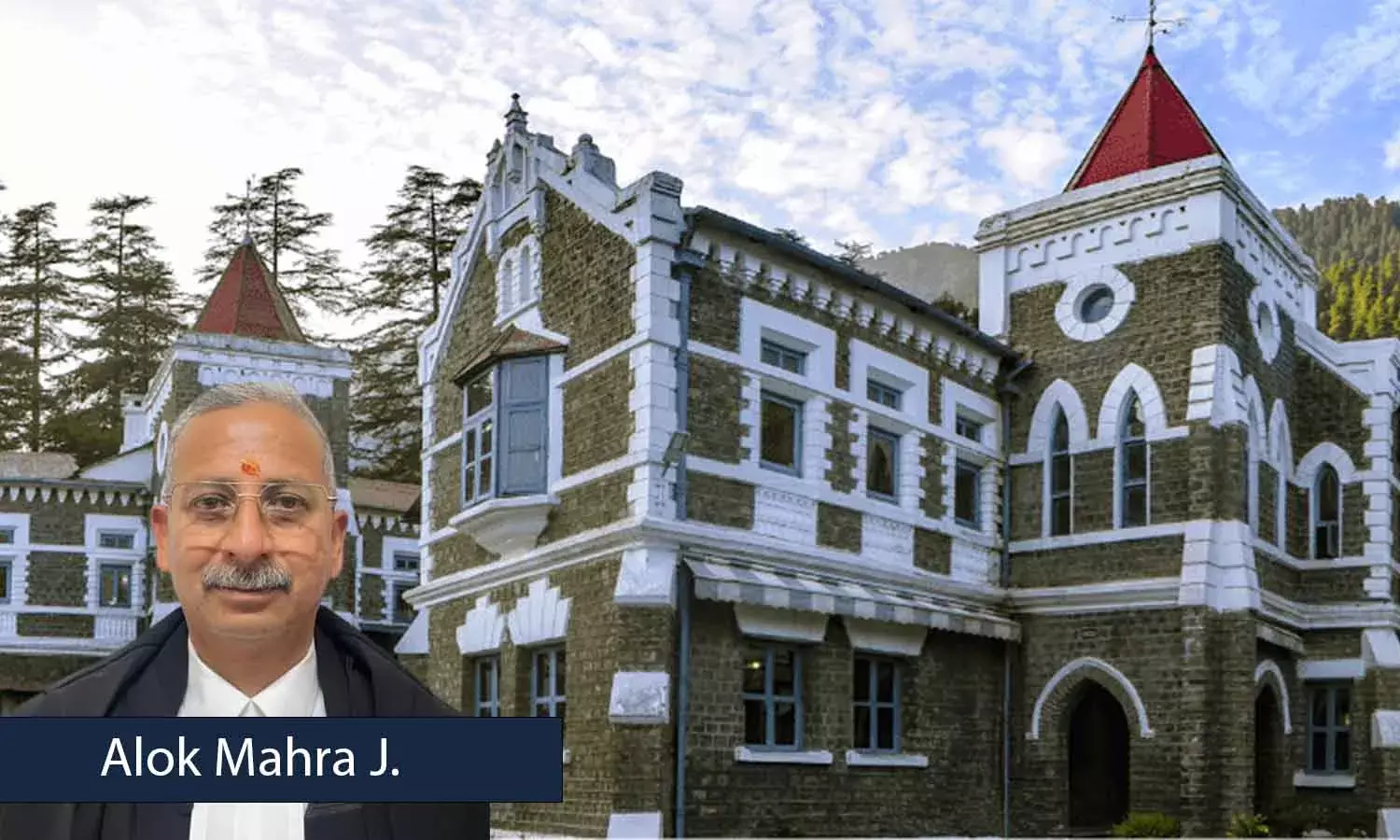
Justice Alok Mahra, Uttarakhand High Court
While asking the Trial Court to provide a blind accused a copy of the examination-in-chief of the prosecution witness in Braille, the Uttarakhand High Court has held that furnishing the material in an accessible form is not a mere procedural formality, but it is intrinsically connected with the right of the accused to a fair trial.
The High Court was considering a Criminal Revision filed against an order of the Fast Track Special Court (POCSO) whereby the opportunity of the revisionist to cross-examine the first witness (PW-1) was closed.
The Single Bench of Justice Alok Mahra held, “The object of the aforesaid direction was to ensure that the revisionist, on account of his visual disability, is placed in a position where he is able to understand the material and evidence being relied upon against him and is consequently able to effectively participate in the proceedings and put forth his defence. Furnishing the material in an accessible form is, therefore, not a mere procedural formality, but is intrinsically connected with the right of the accused to a fair trial.”
Arguments
It was the case of the revisionist that the matter had earlier travelled before the Division Bench of the High Court in a Criminal Appeal preferred against the conviction of the revisionist. The said appeal was allowed by the Division Bench and after taking into consideration the fact that the revisionist was completely blind, it was held that the provisions of Section 12(4)(a), (b) and (c) of the Rights of Persons with Disabilities Act, 2016 were required to be complied with so as to ensure that the revisionist was afforded a fair opportunity of defending himself.
Reasoning
The Bench took note of the fact that the revisionist was completely blind and the Division Bench, while allowing the earlier appeal, had set aside the conviction and directed the Trial Court to conduct a re-trial after furnishing the requisite material to the revisionist in compliance with the provisions of Section 12 of the Rights of Persons with Disabilities Act, 2016.
According to the Bench, the revisionist, on account of his visual disability, was supposed to be placed in a position where he was able to understand the material and evidence being relied upon against him.
“The learned Trial Court, therefore, ought to have ensured compliance with the directions contained in the judgment and order dated 18.06.2025 before proceeding to close the opportunity of the revisionist to cross-examine PW-1”, it held.
Thus, the Bench directed the Trial Court to provide to the revisionist a copy of the examination-in-chief of PW-1 in Braille to effectively understand the same. “The learned Trial Court shall also ensure that copies of the statements/evidence of the other prosecution witnesses recorded during the re-trial are likewise made available to the revisionist in an accessible form, in compliance with the judgment and order dated 18.06.2025 passed by the Division Bench of this Court and the mandate of Section 12 of the Rights of Persons with Disabilities Act, 2016”, it ordered.
Cause Title: Suchit Narang v. State Of Uttarakhand (Neutral Citation: 2026:UHC:9014)