

Import Even For Warehousing Or Re-Export, Enjoys No Immunity From Domestic Laws: Bombay HC Rejects Duty-Free Shops' Customs-Frontier Plea In Nicotine Pouch Case
The Court declined to decide whether "Nicotine Pouch" itself qualifies as a "drug" under the 1940 Act, leaving question open for CDSCO to examine on fuller facts.

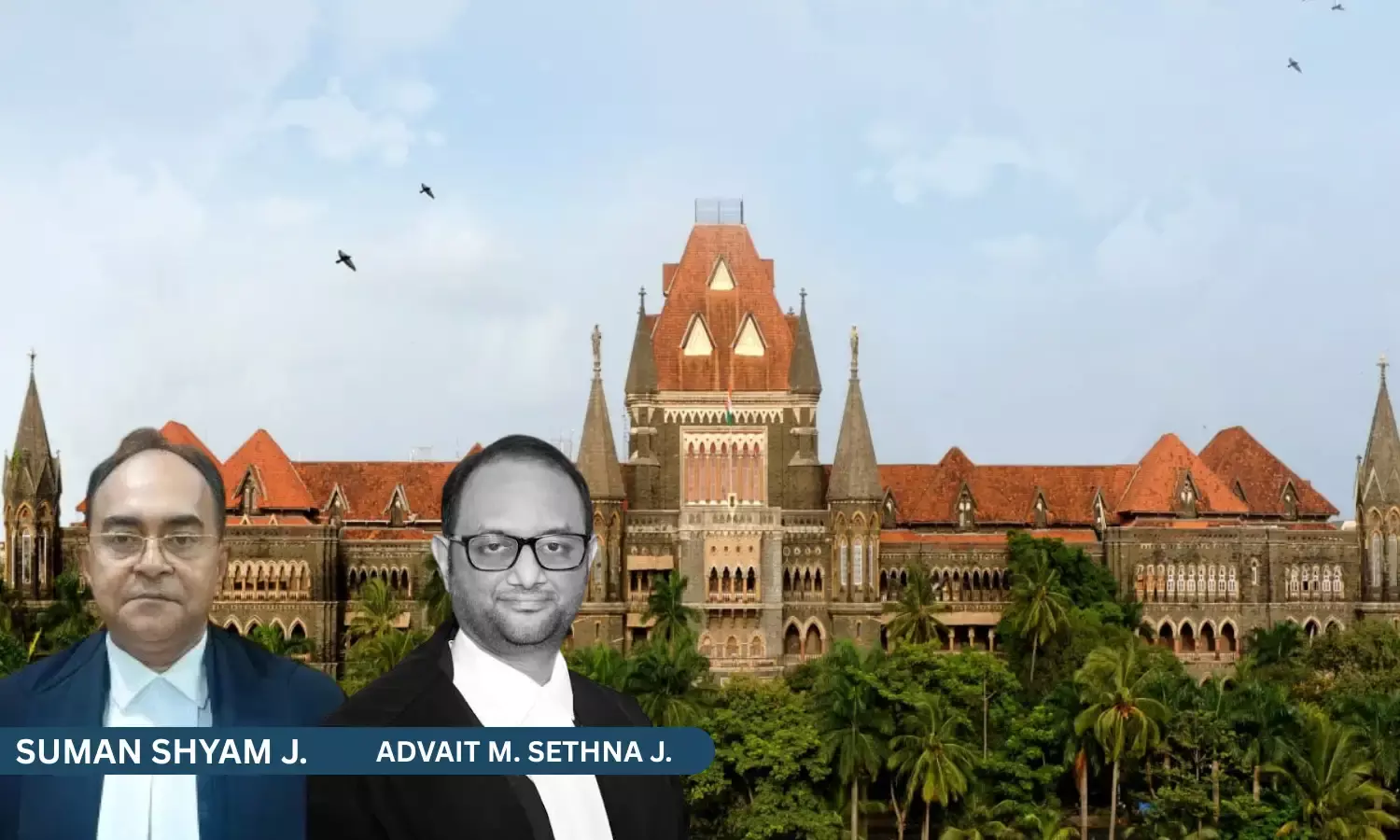
The Bombay High Court has rejected the contention of two Duty Free Shop operators at Mumbai's international airport that goods sold within the customs barrier of the departure terminal are immune from India's domestic regulatory regime, holding that mere warehousing or intended re-export of imported goods does not exempt them from statutes such as the Drugs and Cosmetics Act, 1940. The Court clarified that any exemption available to such transactions is confined strictly to fiscal levies like customs duty and sales tax, and does not extend to public health or safety legislation.
However, the Court stopped short of ruling on the more consequential question of whether the imported product, a nicotine pouch sold under the brand names "ZYN" and "FOX", actually falls within the statutory definition of "drug" under Section 3(b) of the 1940 Act, finding that the impugned communications banning its sale had failed to specify under which of the four categories of that provision the product was classified, and left the issue open for determination by the competent authority on a fuller factual record.
A Division Bench of Justice Suman Shyam and Justice Advait M. Sethna observed, “We, accordingly, hold that import of goods into India, even if it is for the limited purpose of warehousing or re-export, would not enjoy any immunity from the application of the domestic laws. Such goods would be subject to the law of the land and would be governed by the regulatory regime in force even if the transaction takes place in the DFS, beyond the customs barrier. The exemption, if any, would be limited to the fiscal measures such as levy of customs duty/tax/MVAT etc. As such, if an item is restricted or prohibited under “any other law for the time being in force” it would constitute ‘prohibited goods’ under Section 2(33) of the Act of 1962 and hence, the domestic regulatory regime will apply in full force to such goods brought into the DFS within the Indian territorial jurisdiction”.
Senior Advocates Janak Dwarkadas, Arunabh Chowdhury, Ashish Kamat, Prakash Shah appeared for the petitioner and Anil Singh, Additional Solicitor General appeared for the respondent.
Both petitioners operated Duty Free Shops at the Departure Terminal of Chhatrapati Shivaji Maharaj International Airport and imported nicotine pouches for sale to outbound travellers, storing the products in bonded warehouses under Section 58-A of the Customs Act, 1962, without holding any import licence or registration under the 1940 Act.
Following a complaint by an organisation styled "Mothers Against Vaping," the Assistant Drugs Controller conducted an inspection and, by order dated 2nd April 2026, banned the sale of the product on the ground that it contravened the 1940 Act, prompting a further communication dated 8th April 2026 directing the Customs authorities to act.
Aggrieved, the petitioners approached the High Court, relying on Supreme Court precedent in Garden Silk Mills and Hotel Ashoka to argue that transactions within the customs barrier fall outside the domestic regulatory regime entirely. The Revenue, represented by the Additional Solicitor General, relied on a coordinate Bench's ruling in Glamstone Cosmetics Pvt. Ltd. v. Union of India to contend that nicotine, being a pharmaceutical ingredient, required licensing regardless of the point of sale.
Rejecting the petitioners' customs-immunity argument, the Court held that the precedents cited dealt exclusively with taxable events for customs duty and sales tax, and did not confer blanket immunity from public health regulation.
On the drug-classification question, however, the Court found the impugned order legally deficient for want of reasoning and factual specification, and declined to adjudicate the issue itself, holding it required detailed factual inquiry beyond the scope of writ jurisdiction under Article 226.
The Court disposed of both petitions, granting the petitioners liberty to make representations before the CDSCO within four weeks with supporting material demonstrating that the product is not a "drug" or falls within Schedule D/K exemptions, directing that any such representation be decided by a reasoned, speaking order within thirty days of receipt, with no order as to costs.
Cause Title: Mumbai Travel Retail Limited v. Union of India and Others (Neutral Citation: 2026:BHC-OS:20816-DB)
Appearances:
Petitioner: Janak Dwarkadas, Arunabh Chowdhury, Ashish Kamat, Prakash Shah, Senior Advocates, Simantini Mohite, Abhay Jadeja, Dhanyashree Jadeja, Urvi Gulechha and Ishani Saxena, instructed by Jadejas & Partners.
Respondent: Anil Singh, Additional Solicitor General, Rui Rodrigues, Jainendra Sheth, Adiya Vyas and Leena Patil, Siddharth Chandrashekhar, Abhishek R Mishra, Advocates.