

BCI Rules Do Not Bar Advocates From Representing Their Family Members: Bombay High Court
The High Court rejected an objection to an advocate appearing for a family member.
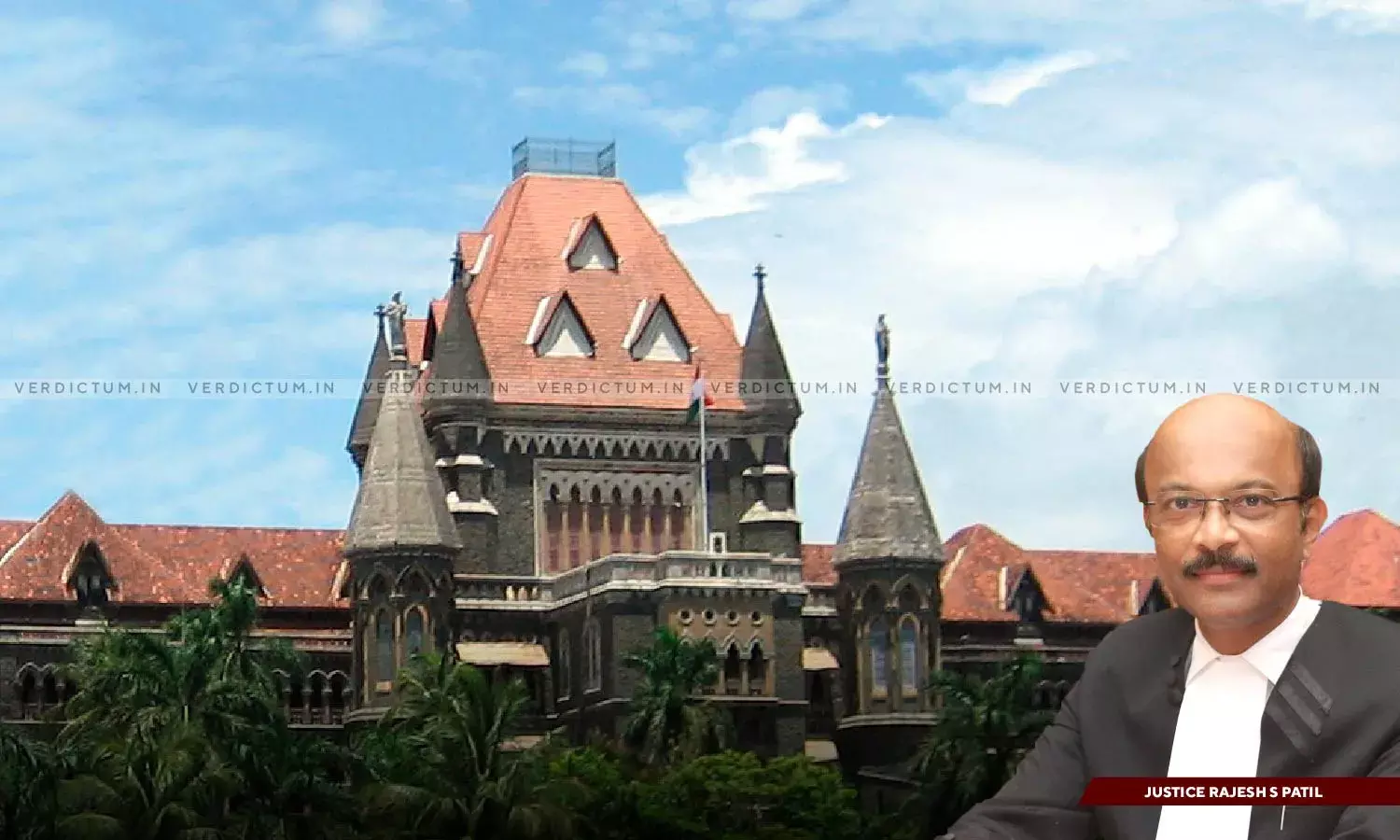
The Bombay High Court has held that Rule 6 of the Bar Council of India Standards of Professional Conduct and Etiquette does not prohibit an advocate from appearing for a family member in court proceedings.
The High Court clarified that the rule bars an advocate from appearing before a Court, Tribunal or Authority where the advocate’s relative is a member of that Court, Tribunal or Authority, and not from representing relatives in litigation.
The Court was hearing a writ petition arising from eviction proceedings, where the tenant had challenged the rejection of an application under Order XLI Rule 27 CPC for producing additional documents before the appellate court.
A Bench of Justice Rajesh S. Patil, while rejecting the objection based on Rule 6, observed: “I have perused/analyzed the Rule 6 of the Standards of Professional Conduct. In my opinion, it bars an advocate from appearing in any Court Tribunal or authority where his relative as mentioned therein, is a part of the Court, Tribunal or Authority. Hence, the objections raised by Mr.Tiwari stands rejected.”
Advocate R.R. Tiwari appeared for the petitioner, while Advocate Shweta Sharma appeared for the respondents.
The dispute arose from an eviction decree passed against the tenant. During the appeal, the tenant sought to produce additional documents, contending that they would show that the landlord had other properties and that the alleged bona fide requirement could have been satisfied otherwise.
The appellate court rejected the application for production of additional documents, leading to the writ petition before the High Court.
During the hearing, the respondent’s counsel placed before the Court Appendix G of the Bar Council of India Rules containing the Standards of Professional Conduct and Etiquette framed under Section 49(1)(c) of the Advocates Act, 1961.
The objection before the Court was that Rule 6 prevented an advocate from appearing for family members. The Court rejected this reading.
The Court reproduced Rule 6, which states: “An advocate shall not enter appearance, act, plead or practice in any way before a Court, Tribunal or Authority mentioned in Section 30 of the Act, if the sole or any member thereof is related to be Advocate as father, grandfather, son, grandson, uncle, brother, nephew, first cousin, husband, wife, mother, daughter, sister, aunt, niece, father-in-law, daughter-in-law or sister-in-law.”
The Court noted that the rule addresses a situation where the advocate’s relative is part of the adjudicating forum. It does not create a general bar against appearing for a relative as a litigant.
Rejecting the contrary objection, the Court held that Rule 6 had been wrongly invoked.
On the underlying dispute, the Court permitted production of documents relating to residential premises before the appellate court, while excluding commercial properties from consideration since the eviction claim was based on a bona fide requirement of residential premises.
The Court directed that if the landlord disputed the documents, the tenant would have to prove them in accordance with Order XLI Rule 27 CPC.
The Court also expedited the appeal and directed both sides to avoid unnecessary adjournments.
Cause Title: Maheshkumar B. Patel v. Laxmikant Murlidhar Sharma Through LRs. & Others (Neutral Citation: 2026:BHC-AS:30567)
