

Adult Woman’s Right To Choose Residence, Higher Education Facet Of Article 21; Parents Cannot Compel Her Return: Bombay High Court
The Court directed the closure of a missing person report, emphasizing that an adult woman is legally competent to make independent life choices without parental or state coercion.

The Bombay High Court has ruled that an adult woman's right to choose her place of residence, pursue higher education, and decide her marital status are essential facets of personal liberty guaranteed under Article 21 of the Constitution of India.
It was held that neither family members nor the State can compel a major to return to her parental home against her express wishes.
The Court passed these observations while allowing a writ petition filed by a 21-year-old woman who had fled her parental home in Hyderabad to escape an impending forced marriage, subsequently directing the Telangana Police to immediately close the missing person report registered against her.
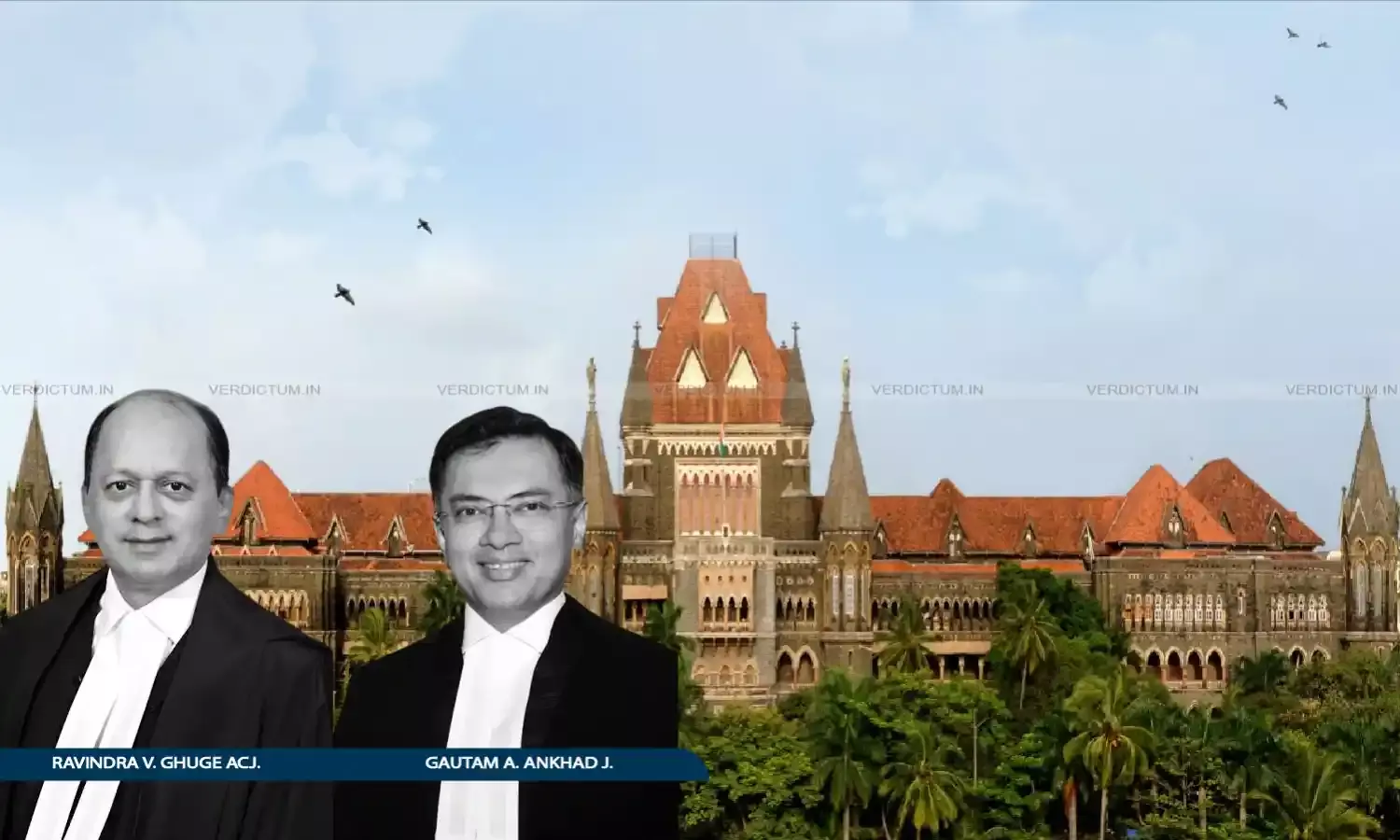
The Division Bench of Acting Chief Justice Ravindra Ghuge and Justice Gautam Ankhad held, "Having interacted extensively with the Petitioner as well as her parents and having considered the pleadings, we are satisfied that the Petitioner has voluntarily left her parental home and is acting out of her own free will. She is an adult, being 21 years of age and is legally competent to decide where she wishes to reside, whether she wishes to marry and whether she desires to pursue higher education. These are matters of personal choice and a part of rights under Article 21 of the Constitution of India. Neither her parents nor the State can compel her to return to her parental home against her wishes."
Senior Advocate Mihir Desai appeared for the Petitioner, while Additional Public Prosecutor M. M. Deshmukh appeared for the Respondents.
Brief Facts
The Petitioner, an adult woman aged 21 years who had completed her schooling through an English medium institution, voluntarily left her parental home in Hyderabad, Telangana. She took this step owing to an apprehension of being forcibly married to her cousin, a man nearly a decade older than her, and due to her parents’ refusal to permit her to pursue higher studies abroad.
Belonging to a conservative and orthodox family environment, she faced emotional trauma and a restriction on her personal freedoms. Following her departure, her parents lodged a missing person complaint with the Hyderabad Police. Fearing forcible return, coercion, and threats of harm from her family and community members, the Petitioner approached the High Court seeking protection and a restraint on any coercive police action or investigation under the missing person report.
Contentions of the Parties
The Petitioner contended that, being a major, she possessed the absolute right to choose her place of residence, pursue higher education, and decide if and whom she wished to marry. It was submitted that she left her parental home entirely out of her own free will to escape an impending forced marriage and to attain financial independence, and was currently self-employed and residing safely in Mumbai.
It was further argued that she faced a genuine threat of physical harm and coercion from her biological family and community members, necessitating protective directions from the Court.
Per contra, the parents of the Petitioner expressed concern for her well-being and noted that the Petitioner's father was suffering from paralysis. The mother of the Petitioner submitted a personal affidavit unequivocally undertaking that the Petitioner would neither be compelled nor coerced into marriage against her wishes, nor would any impediment be created in her pursuit of higher education.
It was earnestly requested by the parents that the Petitioner return to the parental home, with a solemn assurance that her physical, emotional, and mental well-being would be fully protected.
Observations of the Court
The High Court interacted extensively and separately with the Petitioner and her adoptive parents in Chambers, noting that the Petitioner was mature, articulate, confident, and fully conscious of the consequences of her independent decisions.
The Court observed that the Petitioner was currently self-employed, working with a non-governmental organization, and acting entirely without any coercion, inducement, or external influence.
It was held that since the Petitioner was a major, she was legally competent to choose her place of residence, her marital status, and her educational path, all of which constitute essential facets of her personal liberty protected under Article 21 of the Constitution of India.
The Court observed that while the assurances and undertakings given by the parents via affidavit were well-intentioned and accepted on record, they could not override the autonomous choices of an adult citizen.
"Since we have personally interacted with the Petitioner and are satisfied that she is acting voluntarily, the Telangana Police shall take appropriate steps to close the missing person report lodged by the Petitioner's parents in accordance with law. The Petitioner shall not be compelled, directly or indirectly, to return to her parental home or be subjected to any pressure under the threat of criminal proceedings or otherwise", the Court directed.
The Court concluded that there was no legal justification to treat the Petitioner as a missing person or to continue any coercive process to secure her return, and accordingly directed the State Police to close the missing person report and ensure she was not subjected to any parental or state pressure.
Cause Title: Safia Sultana v. State of Maharashtra and Ors. [Neutral Citation:2026:BHC-AS:27664-DB]
Appearances:
Petitioner: Senior Advocate Mihir Desai, Advocate Devyani Kulkarni, Advocate Rishika Agarwal, Advocate Sanskruti Yagnik
Respondents: Additional Public Prosecutor M. M. Deshmukh, Advocate Swati Sinha