His Act Of Undressing Himself Was Certainly With Sexual Intent: Delhi High Court Upholds POCSO Conviction Of Paternal Uncle
 |
|The Court found accused's conduct in approaching the minor complainant, placing his hand on her shoulder and exhibiting himself falls squarely under Sections 7 and 11 POCSO Act, rejecting his defence noting that he had "other intentions" in deliberately missing the train.
The Delhi High Court has upheld the conviction of a man-paternal uncle (fufa) for sexually assaulting his minor niece, holding that his act of approaching her while she lay on the bed, placing his hand on her shoulder, and then unzipping his pants and exhibiting himself, unmistakably demonstrated sexual intent. The Court held that this conduct attracted Section 7 of the Protection of Children from Sexual Offences Act, 2012, which covers any act with sexual intent involving physical contact without penetration, as well as Section 11(i), which covers exhibiting a part of the body with the intention that it be seen by the child.
The Court also rejected the appellant's defence that he had remained at the complainant's home only to recover a loan, observing instead that his conduct suggested a deliberate design to stay back. It noted that the accused had gone to the railway station to catch his scheduled train but did not board it, and said that if his sole intention was recovering the loan, there was no need for him to "enact a drama" of going to the station at all; he could simply have continued staying at the house. The Court concluded that he "had other intentions of deliberately missing the train" and returning to the complainant's home.
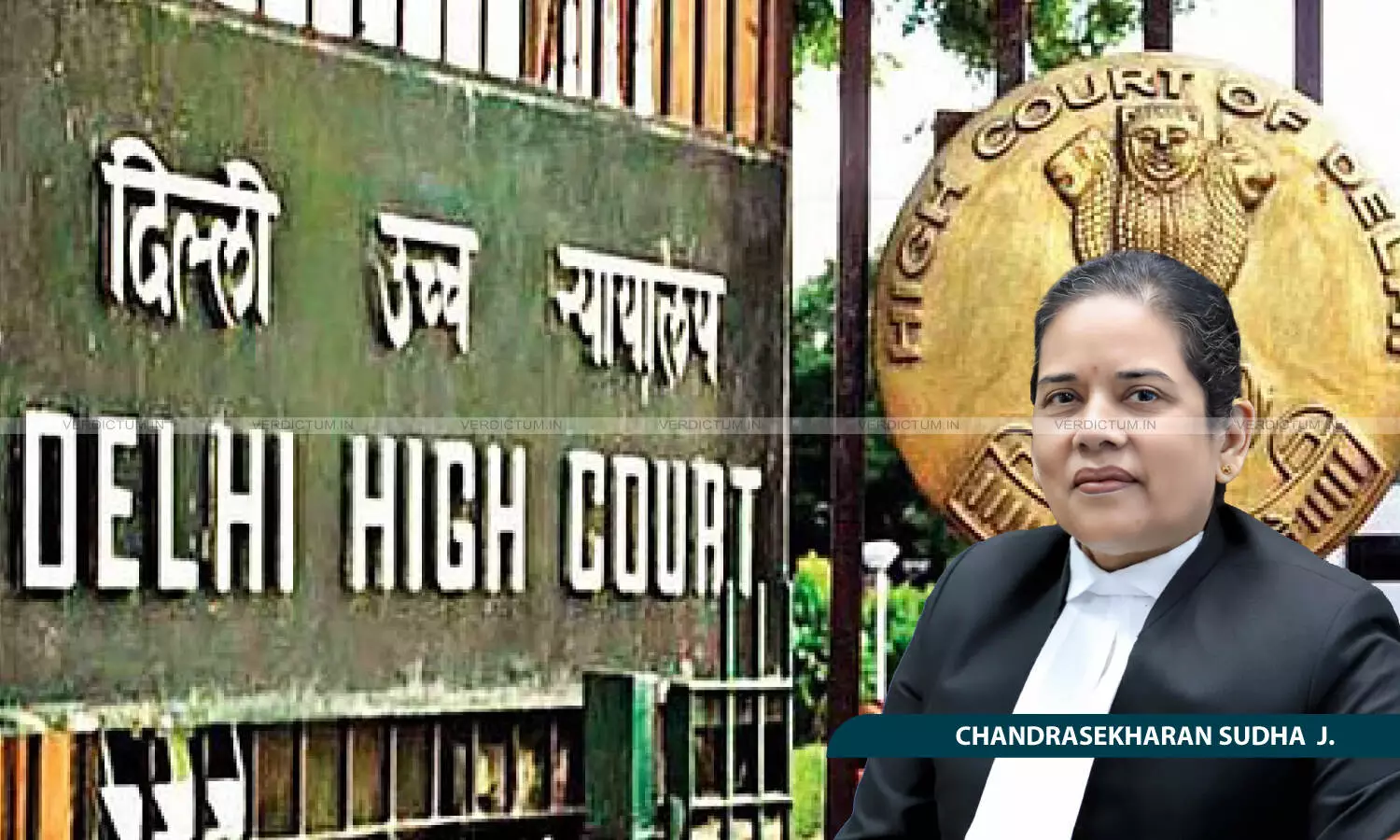
A Bench of Justice Chandrasekharan Sudha observed, “The act of the accused approaching PW1 while she was lying on the bed, placing his hand on her shoulder and then unzipping his pants and exhibiting himself to her shows that his intention was certainly sexual. The act of the accused comes under Section 7 of the PoCSO Act, that is, “an act with sexual intent which includes physical contact without penetration”. It also comes under clause (i) of Section 11, that is exhibiting a part of the body with the intention that the part of the body is seen by the prosecutrix. His act of undressing himself and attempting to undress PW1 was certainly with the knowledge that it would outrage her modesty and attract the ingredients of Sections 354 and 354B IPC”.
“…According to the accused, he returned to PW1’s home with the intention of staying there till the debt was repaid by PW2. If his intention in coming and staying in the house of PW2 was to get the loan amount back, what was the necessity to enact a drama of going to the railway station and pretending to catch a train back home? He could have continued staying in the house until the loan amount was repaid. It appears that he had other intentions of deliberately missing the train and returning to the house of PW1”, it noted further.
Advocate Samarth Krishan Luthra, DHCLSC for the appellant and Utkarsh, APP appeared for the respondent.
The prosecution's case was that on April 03, 2022, the accused, the complainant's paternal uncle by marriage (fufa), who had been staying at her family's home for about a week, approached her while she was alone in the house, touched her shoulder, and exposed himself before being interrupted by her brother. The trial court convicted him under Sections 10 and 12 of the POCSO Act and Sections 354 and 354B of the IPC, sentencing him to five years' and two years' simple imprisonment respectively, to run in accordance with the trial court's order.
Before the High Court, the appellant argued that since the incident occurred on a Sunday, it was improbable his family would have left the complainant alone at home, and that he had been falsely implicated because he had pressed the complainant's mother for repayment of a Rs. 50,000 loan advanced through his brother in 2020.
The Court found no substantial inconsistency in the testimony of the complainant and her brother, who corroborated her account of seeing the accused with his hand on her shoulder and his zip open. It held that the mere fact that the incident occurred on a Sunday did not render the prosecution case improbable, since a witness had testified that family members did not necessarily remain home throughout the day even on holidays.
It also found the defence version of a loan dispute and consequent false implication to be improbable, noting that if the relationship between the parties had genuinely soured over an unpaid loan, it would have been unlikely for the accused to continue staying at the complainant's house at all.
Cause Title: Ram Pravesh Thakur v. State of N.C.T. of Delhi (Neutral Citation: 2026:DHC:7631)
Appearances:
Appellant: Samarth Krishan Luthra (DHCLSC), Manoviraj Singh and Muskan Sharma.
Respondent: Utkarsh, APP.
Click here to read/download the Judgment