No Census Duty For Private Unaided School Teachers: Bombay High Court Stays Requisition Orders
 |
|The Court held that the State cannot compulsorily draft teaching and non-teaching staff of private unaided and minority schools for national census operations.
The Bombay High has granted major interim relief to private unaided and private unaided minority schools across Maharashtra by staying all official notices, appointment orders, and consequential coercive actions aimed at compulsorily deploying their staff for national census duties.
The vacation bench prima facie observed that neither the Census Act, 1948, nor the Census Rules, 1990, casts any legal obligation on private unassisted institutions to surrender their workforce for such statutory exercises.
Highlighting that forced deployments during active academic sessions would severely disrupt students' education, the Court additionally restrained the state authorities from registering First Information Reports (FIRs) or initiating further punitive measures against school employees for non-compliance.
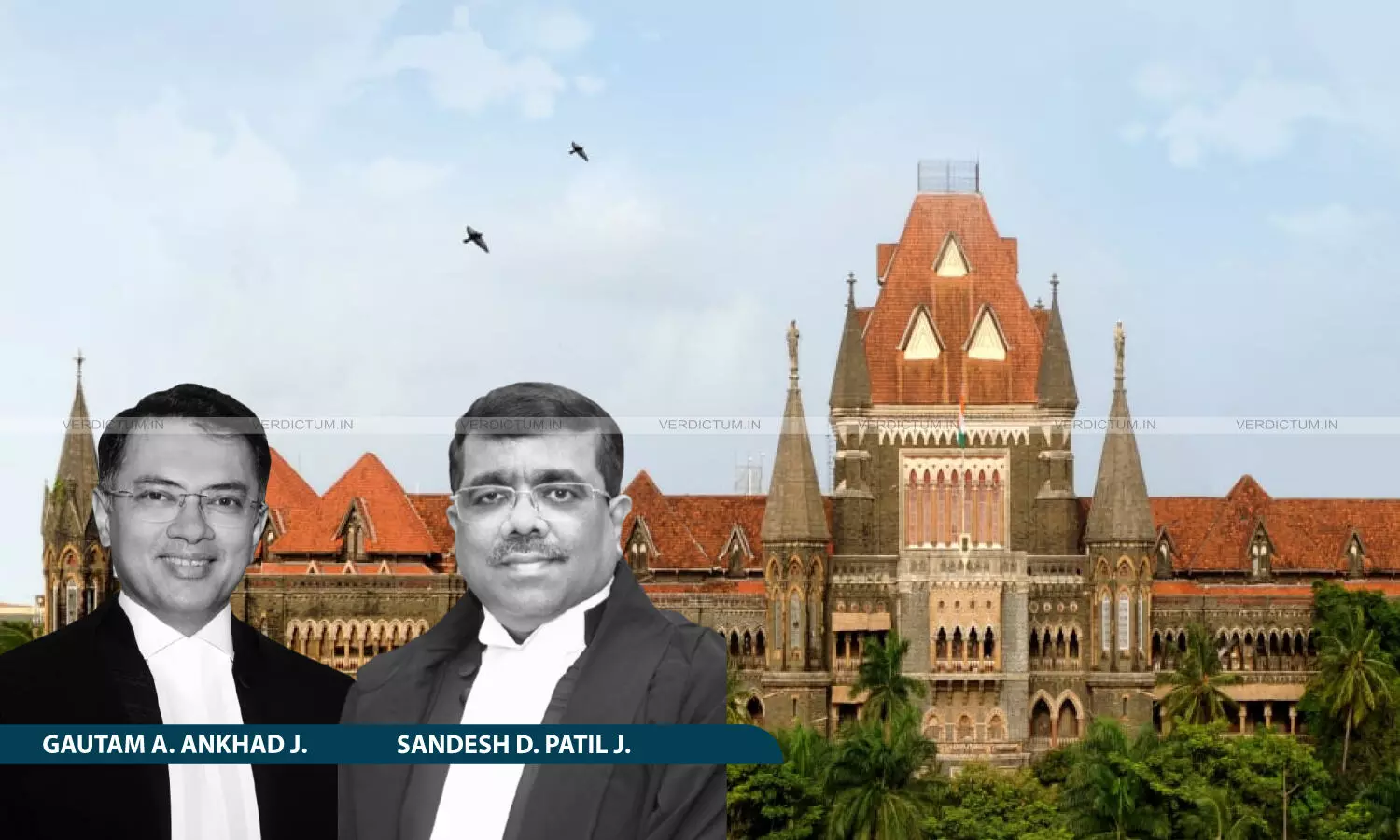
The Division Bench of Justice Gautam A Ankhad and Justice Sandesh D Patil passed the injunction other to this effect: “Pending the hearing and final disposal of the present Petition, this Hon’ble Court be pleased to stay the operation and implementation of the notices, communications, appointment orders and consequential actions issued by the Respondents, as more particularly set out in paragraph 42, as well as any other similar notices, communications or orders issued for requisitioning or deploying teachers of the Petitioners’ member schools for census duties under the provisions of the Census Act, 1948 and the Census Rules, 1990 and restrain the Respondents from taking any steps in furtherance thereof...”
Senior Advocate Venkatesh Dhond appeared for the Petitioners, while Senior Advocate Rajshekhar Govilkar and Government Pleader Anjali Helekar appeared for the Respondent.
Facts of the Case
The Petitioners, numerous private unaided and private unaided minority schools in Maharashtra, approached the High Court challenging various notices, communications, and appointment orders issued by the State and local authorities. By the impugned actions, the teaching and non-teaching staff of these private schools were compulsorily deployed to perform census duties for the national population census.
The grievance arose when the member schools received requisitions to furnish staff details, followed by unilateral appointments of their teachers as Enumerators and Supervisors. Aggrieved by the potential disruption to academic activities and the initiation of coercive actions—such as show-cause notices and the registration of First Information Reports (FIRs) for non-compliance—the Petitioners sought urgent interim protection from the Court.
Contentions of the Parties
The Petitioners contended that the Respondents possessed no power under the Census Act or the Census Rules to compel teachers of private unaided institutions to undertake census duties. It was argued that the statutory obligation to make staff available under the Act applied strictly to a "local authority," a definition that does not encompass private unaided or minority schools.
It was submitted that the forced deployment and coercive measures flagrantly violated the autonomy of private minority and unaided educational institutions, thereby infringing upon their fundamental rights guaranteed under Articles 14, 19(1)(g), 29, and 30(1) of the Constitution of India.
The Petitioners argued that deploying a substantial portion of the teaching faculty during academic sessions would severely prejudice the administrative functioning of the schools and adversely affect the education of the students. Furthermore, it was contended that the local Charge Officers lacked the requisite delegated authority from the State Government to issue such appointment orders, rendering the impugned actions legally unsustainable and without jurisdiction.
The Respondents opposed the petition, emphasizing that the census was a monumental socio-economic exercise requiring coordinated assistance from all departments and institutions. They argued that the teachers would be duly compensated with an honorarium in addition to their regular salaries, and since many schools were closed for summer vacations, no academic disruption would ensue. The Respondents heavily relied upon Section 27 of the Right of Children to Free and Compulsory Education (RTE) Act, which explicitly carves out an exception permitting the deployment of school teachers for decennial population census duties. They argued that the definition of a "school" under the RTE Act includes private unaided schools, thereby obliterating any artificial distinction between government-aided and private unaided school staff for national duties.
It was further urged that the statutory scheme of the Census Act and the rules framed thereunder sufficiently empowered the authorities to requisition any person in charge of an educational institution to assist in the census exercise. The Respondents concluded that the Petitioners failed to satisfy the triple test for the grant of interim relief—prima facie case, balance of convenience, and irreparable injury—and asserted that any stay on the deployment would severely jeopardize governmental planning, data collection, and public policy formulation.
Observations of the Court
The High Court observed that, prima facie, there was substantial merit in the Petitioners' submission. It was noted that neither the provisions of the Census Act nor the Census Rules expressly cast any statutory obligation upon private unaided and private unaided minority schools, or the teachers employed by them, to make their staff available for census duties.
The Court noted that Section 4A of the Census Act restricts the compulsory obligation to make staff available strictly to a "local authority." Referencing the definition under the General Clauses Act, the Court held that private unaided and minority schools do not, and cannot, fall within the ambit of a local authority, thereby rendering the statutory compulsion inapplicable to them.
It was observed that Sections 6 and 7 of the Census Act do not confer any power upon the State to compulsorily requisition private school staff. The Court clarified that Section 6 merely contemplates limited assistance by persons in charge of institutions regarding individuals who are under their direct charge or reside within their premises. Relying on established precedent from the Gujarat High Court, it was held that these provisions enable authorities to seek localized assistance but do not authorize the wholesale appointment or requisitioning of external employees as Enumerators or Supervisors.
The Court rejected the Respondents' contention that Section 27 of the Right of Children to Free and Compulsory Education (RTE) Act authorized the deployment. It was observed that Section 27 merely carves out exceptions to the general prohibition against deploying teachers for non-educational duties, and it cannot be construed as an independent source of substantive power in the absence of an enabling provision within the Census Act itself. The Court emphasized that the RTE Act is a child-centric legislation aimed at protecting the educational interests of children, and merely including unaided schools in its definition does not empower the State to divert teaching staff for non-academic functions.
The Court dismissed the argument that the census duties would not cause prejudice because they were scheduled around the summer vacation. Based on the material on record, the Court found that requisitioning a substantial portion of the teaching faculty would severely disrupt regular academic activities and impair the students' right to uninterrupted education. It was observed that the census could effectively be carried out through regular governmental machinery, local authorities, or aided institutions as contemplated by the statute.
The Court directed, “Pending the hearing and final disposal of the present Petition, restrain the Respondents, their officers, servants and agents from issuing any further notices, communications or orders compelling or requiring teachers and/or employees of the Petitioners’ member schools to perform census duties under the provisions of the Census Act, 1948 and the Census Rules, 1990.”
Consequently, the balance of convenience was found to lie in favor of the Petitioners, and a formal ad-interim stay was granted against the operation of the impugned deployment orders and any consequential coercive or criminal actions.
Cause Title: Unaided School Forum and Ors. v. State of Maharashtra and Ors. [Writ Petition (Lodging) No. 15009 of 2026]
Appearances:
Petitioners: Senior Advocate Venkatesh Dhond, Advocate Tejas Popat, Advocate Priyansh R. Jain, Advocate Shamant Satiya, Advocate Sahil Panjwani.
Respondents: Senior Advocate Rajshekhar Govilkar, Government Pleader Maharashtra Anjali Helekar, Additional Government Pleader Maharashtra Jyoti Chavan, Assistant Government Pleader Maharashtra Suraj Gupte, Advocate S.K. Halwasia, Advocate S.S. Halwasia, Advocate Sumangala Yadav, Advocate Rupali Adhate, Advocate Pratik Garde, Advocate Komal Punjabi, Advocate Tejas Dane, Advocate Rohit Sakhadeo, Advocate Nitesh Rangari.