Non-Verification Of Probate Petition By Attesting Witness Is Curable Irregularity, Not Ground For Dismissal: Bombay High Court
 |
|The Bench held that Section 281 Indian Succession Act is directory, and non-compliance does not render a testamentary petition non est.
The Bombay High Court has held that the requirement for a probate petition to be verified by at least one attesting witness under Section 281 of the Indian Succession Act, 1925, is directory and not mandatory. The Bench held that the absence of such verification at the time of filing constitutes a procedural irregularity that can be cured at a later stage of the proceedings. Consequently, a testamentary petition cannot be dismissed at the threshold simply because the affidavit of an attesting witness was not annexed to the initial filing.
The Court noted that while the language of Section 281 and Rule 375 of the Bombay High Court (Original Side) Rules uses the word "shall", this must be interpreted in light of the practical "when procurable" qualification found within the statute. Since the law provides alternative methods to prove a Will when attesting witnesses are unavailable, the procedural requirement for verification cannot be treated as an absolute condition precedent for the maintainability of the suit.
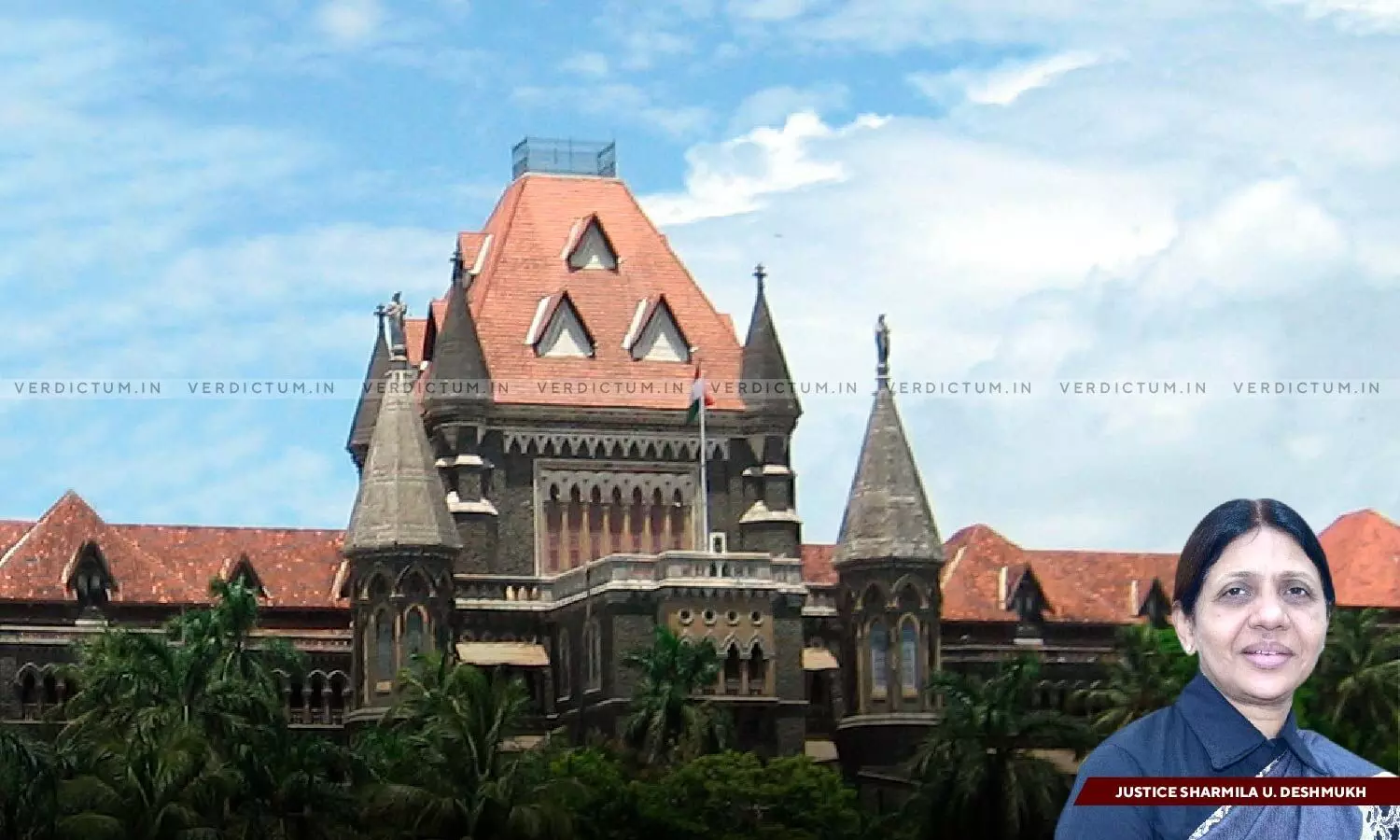
Justice Sharmila U. Deshmukh delivering the judgment in a case that had been pending for over fifteen years, referred to Vidyawati Gupta & Ors. v. Bhakti Hari Nayak and Ors. (2006) 2 SCC 777, and observed, “Considering the above position under CPC, and keeping in mind the connection by virtue of Section 268 of Succession Act, as the provisions are held to be directory, it is clear that non verification of probate Petition by an attesting witness cannot result in dismissal of the Petition. The issue as to dismissal of Testamentary Petition for non filing of the affidavit of attesting witness along with the Testamentary Petition is no longer res integra…”.
“The position is settled by the decision of this Hon’ble Court that the provisions of Section 281 are directory and not mandatory. Non compliance with the filing of the affidavit of attesting witness can be cured at the later stage and the Petition cannot be dismissed on that ground…”, it further noted.
Advocate Anita Castelino appeared for the applicant-defendant and Advocate E. A. Sasi appeared for the respondent-plaintiff.
The dispute originated from a Testamentary Petition filed on October 15, 2010, regarding the estate of a deceased individual where the petitioner sought Letters of Administration with the Will annexed. Although the petition's index listed affidavits from two attesting witnesses, the actual records did not contain these documents at the time of lodging.
The Caveator subsequently moved an Interim Application in 2026, seeking rejection of the petition on the grounds that it violated mandatory provisions of the Indian Succession Act and the High Court Rules due to the missing affidavits and unresolved office objections.
Therafter, the matter saw significant delays, including the misplacement of vakalatnamas and the conversion of the petition into a Testamentary Suit in 2011 following the filing of a Caveat. By the time the Interim Application for dismissal was heard in 2026, the attesting witness had already been administered the oath and their evidence was being recorded by a Court Commissioner.
In its reasoning, the Court relied on the Division Bench precedent in Pralhad Ganpat Salgar v. Sunil Dilip Kakod 2019 SCC OnLine Bom 66, which established that Section 281 is directory because it accounts for contingencies where witnesses might be deceased or untraceable.
The Court further noted that once a petition is converted into a suit upon the filing of a caveat, it is governed by the procedure applicable to civil suits under the Code of Civil Procedure, making Rule 435, which deals with disposal for non-prosecution within one year, inapplicable.
The Court ultimately dismissed the interim application, permitting the suit to proceed, and observed that since the affidavit of the attesting witness was now on record as part of the evidence, there was no justification for dismissing the proceedings after fifteen years on a technical procedural ground.
Cause Title: Sunil Ijjatrai Shah v. Bina Samir Telivala Interim Application No.1592 OF 2026
Appearances:
Applicant: Anita Castelino, Advocate.
Respondent: E. A. Sasi, Advocate.