Adopt Humane Approach While Dealing Cases Of Biometric Mismatches: Bombay High Court Directs UIDAI
 |
|The Court emphasized that administrative technicalities should not result in the denial of vital identity credentials to genuine residents.
The Bombay High Court has observed that the UIDAI must adopt a responsive and facilitative approach when dealing with citizens facing biometric mismatches or technical irregularities in their records.
While acknowledging the national importance of maintaining the integrity of the database against fraud, the Court observed that genuine residents—particularly students and vulnerable sections—should not be left in an "administrative limbo" due to conflicting official directives.
The judgment came in response to a petition by twin brothers whose attempts to update their childhood biometric data were repeatedly frustrated by systemic errors, hindering their academic pursuits and insurance requirements.
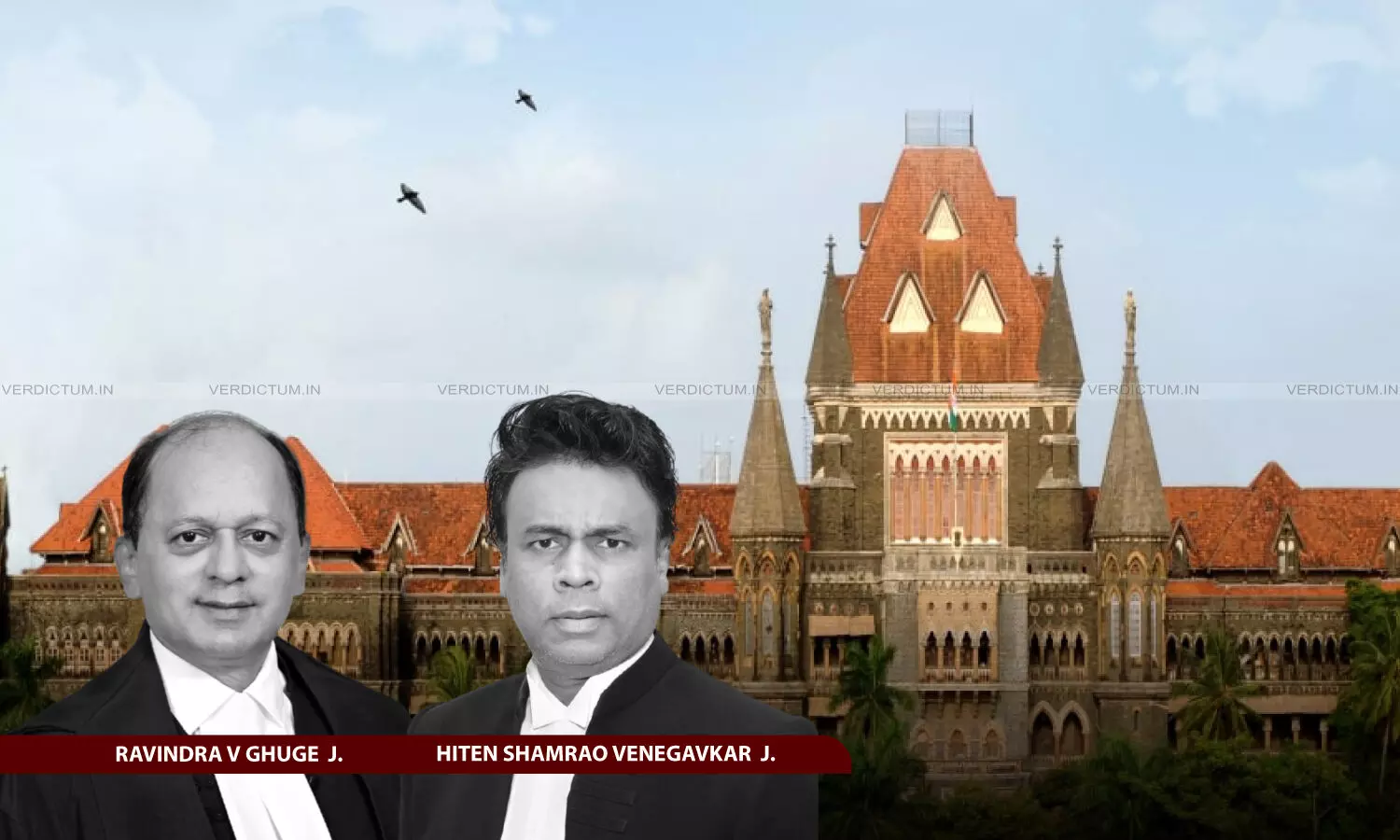
The Division Bench of Justice Ravindra V Ghuge and Justice Hitesh S Venegavkar observed, “It is equally necessary to observe that maintenance of the integrity and purity of the Aadhaar database is a matter of national importance and the authorities are fully justified in adopting safeguards against duplication, impersonation and fraudulent enrollment. However, while preserving the sanctity of the biometric identity framework, the authorities are equally expected to adopt a humane, responsive and facilitative approach while dealing with genuine cases involving biometric mismatch, failed updation or technical irregularities, particularly where no allegation of fraud or impersonation exists against the concerned resident.”
Advocate Harshada Shirsath appeared for the Petitioner, while AGP P. P. Kakade appeared for the State.
Factual Background
The Petitioners, twin brothers, filed a Writ Petition under Article 226 of the Constitution seeking a direction to the Respondent authorities to update their Aadhaar biometric details or issue fresh cards. They contended that although they were enrolled as minors, their subsequent attempts to update their biometrics upon reaching majority were repeatedly frustrated by administrative delays.
The Petitioners stated that their update requests were initially rejected due to biometric mismatches. Following official advice, they applied for the cancellation of their existing records to facilitate fresh enrollment; however, this process was later revoked by the authorities citing a change in internal circulars. They were then instructed to revert to the updation process, which remained pending despite multiple follow-ups.
The Petitioners argued that this ongoing uncertainty caused them severe prejudice, as valid biometric records were being mandated for their higher education admissions and identity verification. They further submitted that the lack of updated documentation hindered Petitioner No. 2 from obtaining necessary insurance for his competitive sporting activities.
Contention of the Parties
Petitioners contended that no fraud or impersonation could be attributed to them, as they were minors during the initial enrollment. It was argued that any biometric discrepancy resulted from systemic technical errors rather than any fault of the Petitioners. It was emphasized that the Petitioners consistently followed all conflicting directives from the authorities, who shifted positions from requesting cancellations to seeking updates. It was submitted that these inconsistent administrative stands deprived the Petitioners of a vital identity document, causing severe prejudice to their academic and professional pursuits. Consequently, the Petitioners sought a writ of mandamus to compel the correction of their records or the facilitation of fresh enrollment.
Respondents submitted that the existing identification records were suspended following the discovery of biometric mismatches during verification. It was argued that the authorities were bound to maintain the integrity of the central database and could not update records where discrepancies existed. However, the Respondents clarified that they did not intend to permanently withhold identification from the Petitioners. It was stated that the Petitioners were at liberty to apply for fresh enrollment by submitting valid documentation and new biometric data, which would be processed in strict accordance with the governing statutory framework.
Observations of the Court
The Court observed that the controversy remained narrow, as the Petitioners did not seek to bypass biometric safeguards, nor did the Respondents dispute the Petitioners' right to seek fresh enrollment. The Court noted that the core grievance arose from the Petitioners being subjected to inconsistent administrative processes due to biometric anomalies captured during their minority.
It was held that the statutory framework under the Aadhaar Act, 2016 and the 2016 Regulations did not support an indefinite administrative limbo. The Court emphasized that if a record was deactivated or omitted, the authority was duty-bound to provide a clear rectification pathway or permit re-enrollment, ensuring that eligible residents were not left remediless.
Relying on established legal precedents, the Court said that while the integrity of the centralized data repository was of paramount importance, the administrative architecture must operate with procedural fairness and constitutional reasonableness.
It was observed that the Respondent authorities exercised their discretion in a manner that frustrated the purpose of the statute by providing conflicting instructions to the Petitioners. The Court clarified that while it would not direct the restoration of a record with anomalous biometrics, it would compel the authorities to exercise their statutory functions in a time-bound and accountable manner.
It held, “Before parting with the present matter, we deem it appropriate to observe that this Court is increasingly noticing cases where citizens are compelled to approach constitutional Courts on account of biometric mismatch, failed biometric updation, deactivation, suspension, omission, cancellation or technical irregularities in Aadhaar records. In several such cases, genuine residents, including students, senior citizens, labourers, persons from rural areas and economically weaker sections, are made to repeatedly visit different offices and authorities without any clear resolution or effective guidance regarding the procedure required to rectify their Aadhaar records. Such situations result in unnecessary hardship, denial of access to essential services and avoidable litigation.”
Conclusion
The Writ Petition was disposed of with the following directions: i. the Petitioners were directed to appear before the relevant Regional Office or enrollment centre within a specified period to submit fresh applications for enrollment with new biometric capture and prescribed documentation.
ii. The Respondent authorities were directed to accept and process these applications strictly in accordance with the statutory framework, without rejecting them solely based on previous biometric mismatches.
The Court further issued general guidelines for future compliance, emphasizing that authorities must provide written communication regarding the status of grievances and maintain facilitation mechanisms for technical irregularities.
It said, “Whenever any citizen approaches the Aadhaar Authorities with a grievance relating to biometric mismatch, failed biometric up-dation, deactivation, suspension, omission, cancellation or technical rejection of Aadhaar records, the concerned authority shall inform such citizen in writing or through officially recognized electronic communication about the precise status of the Aadhaar record and the legally permissible remedial procedure available under the Aadhaar Act, 2016 and the Aadhaar (Enrollment and Update) Regulations, 2016.”
The Court also said that the Respondent Authorities shall endeavour to maintain an appropriate facilitation mechanism at the Regional Offices and Aadhaar Seva Kendras for dealing with cases involving biometric mismatch, failed updation, deactivation or technical irregularities in Aadhaar records.
It was directed that the authorities adopt a citizen-centric and humane approach, particularly for students and vulnerable sections, ensuring that genuine residents were not denied vital identity credentials due to systemic technical errors.
Cause Title: Rohit Bandu Nikalje and Anr. v. The Regional Officer, UIDAI and Ors. [Neutral Citation: 2026:BHC-AS:22042-DB]
Appearances:
Petitioners: Advocates Harshada Shirsath, Ramaprasad Deore and Swaraj Sabale.
Respondents: AGP PP Kakade, Advocates PN Diwan, Shehnaz V. Bharucha and Gargi Warunjikar.