Oil Dealership Can’t Be Terminated Without Mandatory Hearing Or Evidence Of Dealer’s Involvement In Manipulation: Allahabad High Court
The Court found that statutory seals remained intact and that the technical reports did not conclusively establish the dealers’ involvement in fuel-delivery manipulation.
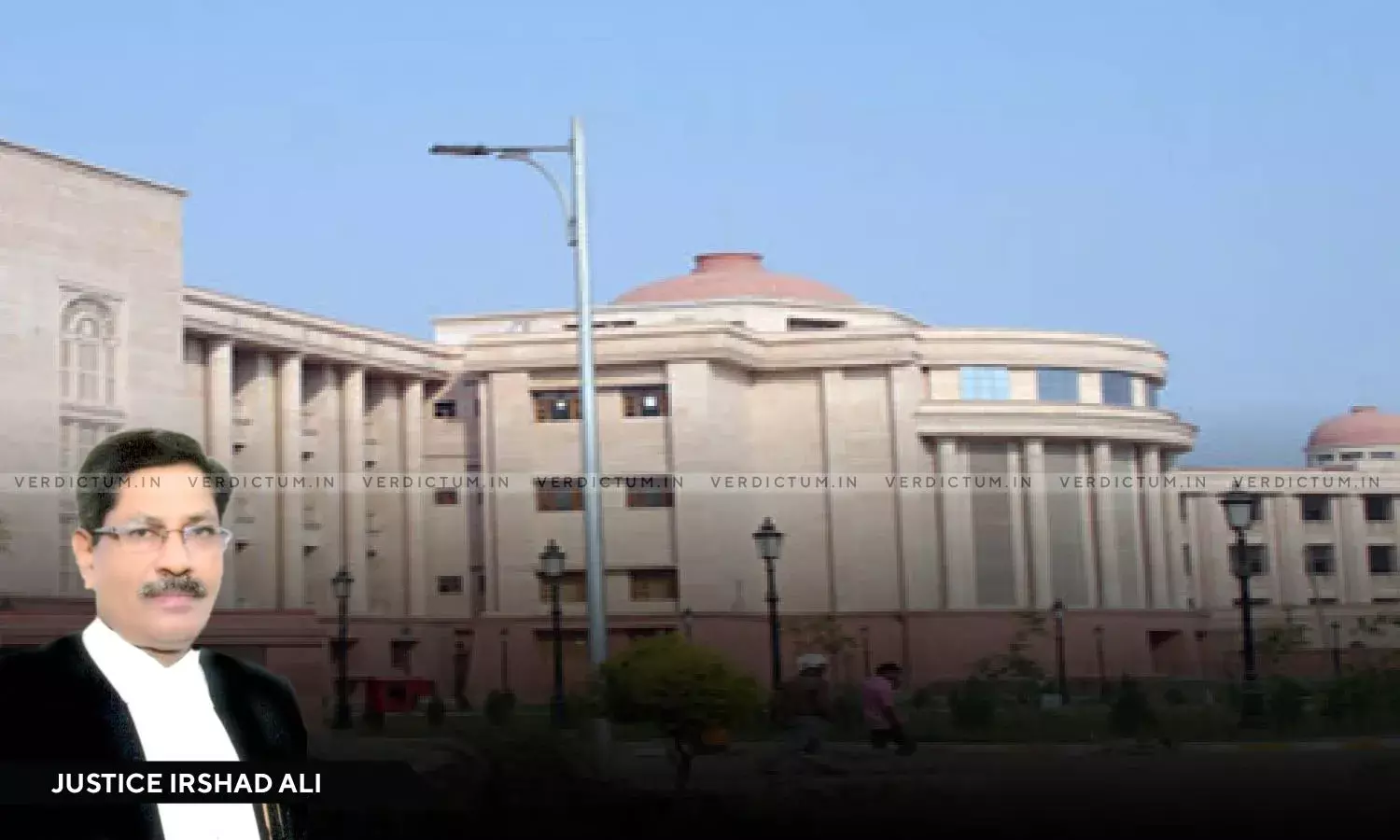
The Allahabad High Court has held that an oil dealership cannot be terminated for alleged critical irregularities or fuel manipulation without a mandatory personal hearing or reliable evidence establishing the dealer’s involvement.
It quashed the termination of a dealership operating for approximately 27 years, set aside the appellate order and directed Indian Oil Corporation to restore the dealership and resume petroleum supplies.
The Court was hearing a petition under Article 226 of the Constitution challenging Indian Oil Corporation’s decision to terminate a retail-outlet dealership and forfeit its security deposit over alleged electronic fittings in fuel-dispensing units. The dealers also challenged the Dispute Resolution Panel’s dismissal of their appeal.
A Bench of Justice Irshad Ali observed: “This Court further finds that Clause 8.6 of the Marketing Discipline Guidelines, 2012, specifically contemplates a personal hearing before termination of dealership in cases involving critical irregularities. Admittedly, no such personal hearing was afforded to the petitioners. Moreover, they were not associated with the subsequent opening and examination of the sealed pulsar assemblies. The proceedings, therefore, suffered from violation of the prescribed procedure and principles of natural justice.”
The Court further held: “In view of the aforesaid discussion, this Court holds that the termination of a dealership operating for approximately 27 years, coupled with forfeiture of the security deposit, without establishing the petitioners’ involvement through reliable evidence and without following the mandatory procedure, is arbitrary and unsustainable in law.”
Advocate Radhika Singh, assisted by Advocate Richa Mishra, appeared for the petitioners. Advocate Manish Jauhari appeared for Indian Oil Corporation.
Background
The retail outlet had operated for approximately 27 years. According to the petitioners, periodic inspections and maintenance reports had previously found the dispensing units, statutory seals and fuel delivery to be in order. The outlet was automated, enabling the Corporation to monitor petroleum receipts and retail sales.
During a joint inspection, additional fittings were allegedly detected on pulsar cards in four dispensing units, while short delivery was alleged from one nozzle. The inspection memo stated that delivery from the other nozzles was correct and that the Weights and Measures Department seals remained intact.
The petitioners denied installing or causing the installation of additional fittings. They submitted that the machines belonged to the Corporation, were maintained by authorised manufacturers and could not be opened without disturbing the statutory seals. They requested laboratory examination, copies of the reports and an opportunity to participate in the testing process.
The Corporation nevertheless terminated the dealership with immediate effect and forfeited the security deposit without granting a personal hearing. The sealed pulsar assemblies were sent for laboratory examination after the termination. The subsequent appeal before the Dispute Resolution Panel was dismissed.
The petitioners argued that the laboratory reports did not establish their involvement or any functional manipulation of delivery. Indian Oil Corporation contended that the additional fittings constituted a serious irregularity, that the dispensing units remained under the dealers’ control and that their explanations had been considered before termination.
Court’s Observations
Inspection And Laboratory Reports Did Not Establish Involvement
The Court examined the timing and nature of the laboratory tests. The GVR and MIDCO reports were based substantially on visual examination without functional testing, while the Tokheim report did not disclose any malfunction or abnormal behaviour in the tested cards.
The Court observed: “It is evident from the inspection report dated 05.05.2017 that although additional fittings were allegedly detected in four dispensing units, the seals of the Weights and Measures Department were found intact and short delivery was allegedly detected only in one nozzle. The respondents have failed to establish through cogent material that the petitioners had installed or caused installation of the alleged fittings or that such fittings actually resulted in manipulation of fuel delivery.”
The Court therefore found that the technical reports did not conclusively establish the petitioners’ involvement in any manipulation.
Mandatory Hearing And Testing Procedure Were Not Followed
The Court found that Clause 8.6 of the Marketing Discipline Guidelines, 2012, required a personal hearing before termination in cases involving critical irregularities. It also considered the exclusion of the petitioners from the later opening and examination of the sealed pulsar assemblies to be a breach of natural justice.
Addressing the technical procedure, the Court stated: “The respondents also failed to demonstrate compliance with the testing procedure prescribed under the Legal Metrology (General) Rules, 2011. The petitioners’ specific objections regarding the functioning of the dispensing units, intact statutory seals and absence of evidence connecting them with the alleged fittings were not adequately considered.”
The Court held that the termination process was procedurally defective because it preceded the laboratory examinations, omitted the required hearing and failed to consider the dealers’ objections adequately.
Prior Ruling Applied; Appellate Review Was Deficient
The Court compared the case with M/s Prakash Automobiles Indian Oil Dealer Through Partners v. Indian Oil Corporation Limited (2025), which concerned alleged manipulation of pulsar cards where statutory seals remained intact.
The Court observed: “The said judgment emphasizes that where statutory seals remain intact, the Corporation must establish the dealer’s involvement in the alleged manipulation through cogent material and cannot impose termination merely on the basis of the presence of additional fittings. The factual circumstances of the present case are substantially similar and no distinguishing feature has been demonstrated by the respondents.”
The Court further found that the Dispute Resolution Panel had failed to independently examine the objections concerning functional testing, the reliability of laboratory reports, natural justice and the absence of evidence connecting the dealers to the alleged tampering. It held that the appellate order suffered from non-application of mind.
Conclusion
The High Court allowed the writ petition and quashed both the dealership-termination order and the Dispute Resolution Panel’s appellate order. It directed Indian Oil Corporation to restore the dealership and resume normal supplies of petroleum products, subject to compliance with the lawful terms of the dealership agreement. The petitioners were also granted consequential benefits in accordance with law. The Court made no order as to costs.
Cause Title: M/s Aliganj Service Station Through Its Partners and Others v. Indian Oil Corporation Limited Through Its Managing Director and Others (Neutral Citation: 2026:AHC-LKO:83649)
Appearances
Petitioners: Advocates Subhash Vidyarthi, Prabhat, Radhika Singh and Richa Mishra
Respondents: Advocate Manish Jauhari