Bar’s Duty To Speak Truth To Power No Licence To Incite Violence: Allahabad High Court On Courtroom Violence
The Court also requested the Chief Justice to consider action concerning the registration of FIRs over the alleged violence and false social-media posts about the incident.
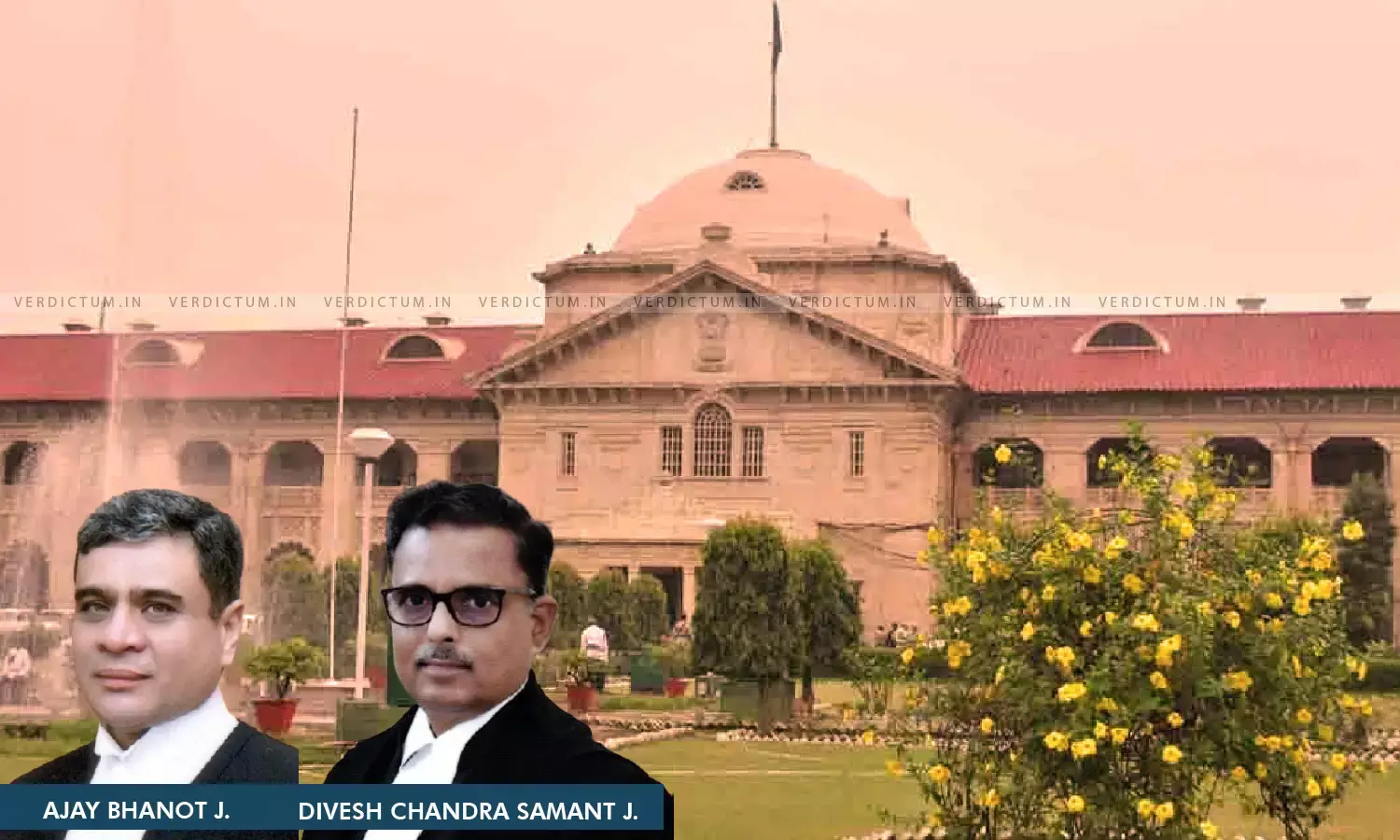
The Allahabad High Court observed that the Bar’s duty to speak truth to power does not license violence against individuals or disaffection toward the institution.
Finding prima facie that the concerned lawyers’ alleged courtroom conduct amounted to criminal contempt, it referred the matter to the Chief Justice to transmit it to an appropriate Bench for contempt proceedings in accordance with law.
The Court was considering in chamber an incident in which a group of lawyers allegedly disrupted proceedings, assaulted State law officers, court staff and security personnel, and vandalised the courtroom. The Court also examined a Bar Association letter concerning events on the preceding day and the social-media posts that followed.
A Bench of Justice Ajay Bhanot and Justice Divesh Chandra Samant observed: “The dialogue between the Bar and Bench and any other participants in Court proceedings (including government officials/experts if called upon to do so) is animated by mutual respect where differences do not degenerate into violence and strength is not defined by intimidation. The obligation of the Bar to speak truth to power is not a license to incite violence against individuals and disaffection against the institution. Anarchy is not a species of dissent. Freedom of speech at the Bar is not the freedom to slander the Bench. The legal process has robust traditions and structures for debate and dialogue between the Bar and Bench, but no space for intimidation and violence. Incitement of violence and violence itself are not components of the legal discourse, they are ingredients of criminal offences.”
Background
The incident followed a letter issued by newly elected Bar Association office-bearers concerning the seating arrangement made for government officials called to assist the Court. The letter also alleged that a lawyer had been forced to apologise, that a direction had been issued to send him to jail and that a Senior Advocate had been humiliated.
The Court found the recitals misleading or false. It explained that separate seating was provided to officials called to assist the Court and not to those facing contempt proceedings. It further stated that no order sending the lawyer to jail had been passed and that the lawyer had voluntarily apologised after being confronted with his alleged conduct towards a police official.
The Senior Advocate whose humiliation was alleged appeared before the Court and denied that any such incident had occurred. The Court said that a live nexus could be discerned between the letter’s allegedly false imputations and provocative language and the subsequent violence and disruption.
When the Court assembled the following morning, lawyers allegedly shouted slogans so loudly that judicial business could not continue. After the Court rose, State law officers approached the judges’ chamber and alleged that lawyers had assaulted them and court staff and vandalised the courtroom. The Registrar General’s report additionally recorded that security personnel had been attacked.
The Registrar General submitted the report after conducting an inquiry. The Court also viewed videos of the alleged assault on AGA Paritosh Kumar Malviya and the vandalism, and stated that the lawyers who assaulted him appeared identifiable.
Court’s Observations
Dialogue Between Bar And Bench Must Remain Free Of Intimidation
The Court observed that the Bar and Bench shared a common constitutional commitment to uphold the rule of law and administer justice. Their dialogue had to permit frank submissions and disagreement while preserving mutual respect.
The Bench stated: “The Bar has to speak truth to power, and the Bench has to decide without fear or favor affection or ill will. The manner and content of the dialogue between the Bar and Bench and other participants in the court process (if any) fosters development of law and determines the quality of justice. Constant and well spoken dialogue between the Bar and Bench is an unbroken tradition and an abiding strength of the judicial process.”
The Court said that disrupting proceedings and using violence to influence or intimidate courts reflected a wider problem within the justice system. Criminal conduct could not be protected merely because its alleged perpetrators belonged to the legal profession.
Government Law Officers And Officials Entitled To Dignity
The Court held that protecting the Bar’s dignity was among its foremost duties, but constitutional courts were also guardians of the dignity of every citizen. Officials called to assist the Court and government advocates were entitled to equal protection.
The Bench observed: “Officials and other persons attending court proceedings to assist the Court are equally entitled to protection of their dignity by the Court. Likewise Government Advocates cannot be denied the dignity and regard accorded to other lawyers. Infact Government Advocates are Advocates and officers of the Court first and then counsels for the State. Government Advocates do not stand at any lower pedestal than other Advocates.”
It added that intimidating officials created a hostile environment, prevented them from expressing their views freely and obstructed the judicial process. The Court also emphasised the State’s duty to protect its law officers when they were threatened or attacked while discharging their functions.
Criticism Of Judgments Distinct From Abuse And Threats
The Court recognised that analysing and criticising judicial decisions was a right and, at times, a duty of the legal profession and citizens. It nevertheless held that judicial discourse had boundaries.
The Bench stated: “Analysis and criticism of judgements of Courts is a right and at times a duty of the legal fraternity and the citizenry at large. Criticism fosters debate. Debate impels introspection. Introspection raises the quality of justice. However, there a red lines in the judicial discourse which need to be respected.”
Referring to R. Karthikeyan v. Union of India (2026), the Court distinguished criticism of a legal conclusion from abusive, defamatory or threatening attacks against the judge who authored it.
The Court also expressed concern over what it described as false and misleading social-media narratives concerning the incident. It held that large-scale dissemination of falsehoods about court proceedings could create disaffection against judicial institutions and interfere with the administration of justice.
Prima Facie Criminal Contempt And Criminal Offences Disclosed
On the basis of the State law officers’ statements, the Registrar General’s report and the videos shown to it, the Court prima facie found that lawyers had shouted aggressive slogans, assaulted State law officers and court staff, attacked security personnel and committed vandalism in the courtroom, preventing the Court from functioning.
The Bench held: “The actions of the said lawyers as discussed earlier, scandalized and lowered the authority of the court. The aforesaid actions of the said lawyers also interfered with the due course of judicial proceedings and obstructed the administration of justice. The aforesaid actions of the said lawyers prima facie constitute to criminal contempt of this court. The Court cannot turn a blind eye to the incident in the name of harmony between the Bar and Bench.”
The Court also prima facie found disclosure of criminal offences involving instigation and conspiracy to commit violence, actual violence and vandalism, and prevention of government officials from discharging their duties.
Conclusion
The High Court directed that the matter be placed before the Chief Justice for transmission to an appropriate Bench for prosecution of criminal contempt proceedings against the concerned lawyers in accordance with law.
It also requested the Chief Justice to consider appropriate action and directions to the Registrar General for ensuring registration of FIRs concerning the alleged incitement, conspiracy, violence and vandalism, and against persons responsible for allegedly false social-media posts. The proposed directions also concerned blocking and deleting false posts relating to the incident.
The Registrar General’s report was directed to be placed in a sealed cover on the record.
Cause Title: In Re: Commission of Criminal Contempt and Criminal Offences by Lawyers in Court No. 49 on 28.10.2026